by Apostille Service
Share

The UK e-Apostille is a digital form of document legalisation issued by the Foreign, Commonwealth and Development Office (FCDO). It confirms that a UK document has been checked and certified by a UK solicitor so that it can be used overseas. Unlike a paper apostille, the entire process is completed electronically.
However, not all documents can be issued with an e-Apostille. To qualify, the document must meet strict digital signature requirements.
Documents must be digitally signed by a solicitor
To receive an e-Apostille, the document must be signed by a UK solicitor using an enhanced digital signature that meets the technical standards set by the FCDO. This involves:
A qualified or advanced electronic signature.
The solicitor’s identity being verified and linked to the digital certificate.
The digital signature being applied directly to the PDF document.
- The solicitor has providing their digital signature to the FCDO.
The FCDO validates the solicitor’s digital signature before the e-Apostille is issued. If the signature does not meet the required standard, the e-Apostille request will be rejected.
Find our How Digital Certification Works.

Government issued and ink signed documents cannot have an e-Apostille
Some documents cannot be processed as e-Apostilles regardless of how they are provided. These include:
Government issued documents such as birth, marriage, and death certificates.
Certified copies issued by registrars.
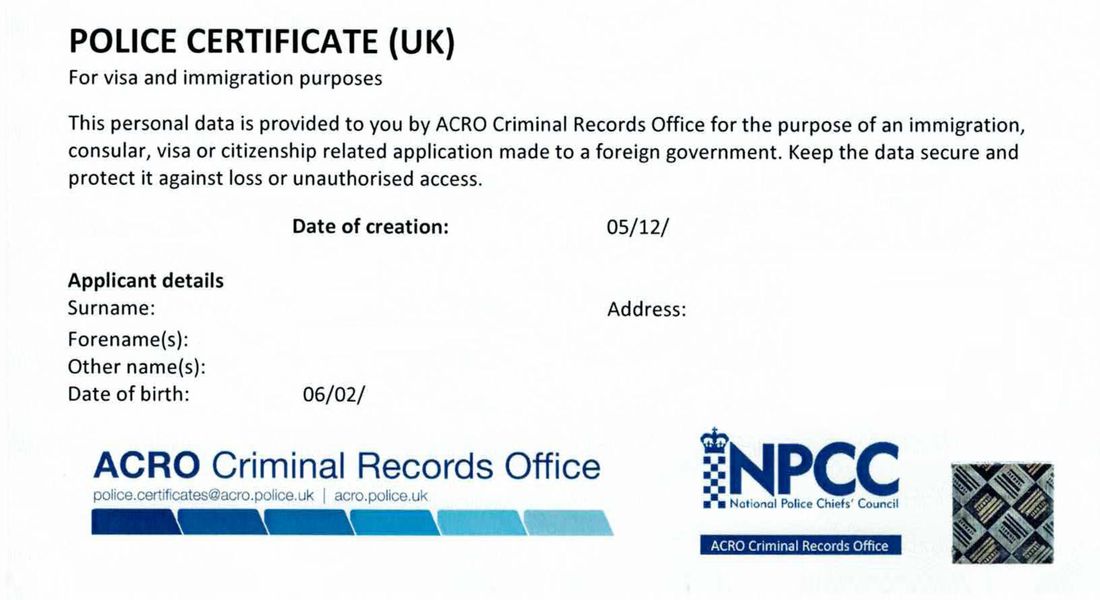
ACRO or NPCC criminal record checks.
HMRC letters and certificates.
Any document originally printed, stamped, or signed in ink.
These documents are not digitally signed, and the FCDO only accepts them for paper apostilles. Even if you scan the document or convert it to PDF, it will not qualify for an e-Apostille.
If the document is ink signed by an official, registrar, or organisation, the only valid route is a paper apostille.
Why the digital signature requirement exists
The e-apostille system relies on secure digital authentication. The FCDO must be able to verify:
Who signed the document.
That the signature has not been altered.
That the signature meets UK and international legal standards for electronic signing.
Because government issued and wet ink documents do not use this technology, the FCDO cannot validate them electronically.
Which documents usually qualify
The following are the most common documents that can be processed as e-apostilles:
Digitally signed solicitor certifications.
Company documents where a solicitor has applied a compliant e-signature.
Academic certificates or transcripts where a solicitor has applied a compliant e-signature.
Declarations, powers of attorney, or letters drafted and digitally signed by a solicitor.
If unsure, a simple rule applies. If a solicitor has not applied a compliant enhanced digital signature, the document will not be accepted for an e-apostille and you should obtain the paper apostille certificate. Find our more about What Is an Advanced or Qualified Electronic Signature.
Summary
A UK e-Apostille is a fast and fully digital way to legalise documents, but it comes with strict requirements. Only documents that have been digitally signed by a solicitor with an enhanced electronic signature can qualify. Government issued, ink signed, or stamped documents cannot be processed as e-apostilles and must always be legalised using the traditional paper apostille.
For more advice on our e-Apostille service and what documents we can process, please get in touch with our legalisation team.

The UK e-Apostille is a digital form of document legalisation issued by the Foreign, Commonwealth and Development Office (FCDO). It confirms that a UK document has been checked and certified by a UK solicitor so that it can be used overseas. Unlike a paper apostille, the entire process is completed electronically.
However, not all documents can be issued with an e-Apostille. To qualify, the document must meet strict digital signature requirements.
Documents must be digitally signed by a solicitor
To receive an e-Apostille, the document must be signed by a UK solicitor using an enhanced digital signature that meets the technical standards set by the FCDO. This involves:
A qualified or advanced electronic signature.
The solicitor’s identity being verified and linked to the digital certificate.
The digital signature being applied directly to the PDF document.
- The solicitor has providing their digital signature to the FCDO.
The FCDO validates the solicitor’s digital signature before the e-Apostille is issued. If the signature does not meet the required standard, the e-Apostille request will be rejected.
Find our How Digital Certification Works.
Government issued and ink signed documents cannot have an e-Apostille
Some documents cannot be processed as e-Apostilles regardless of how they are provided. These include:
Government issued documents such as birth, marriage, and death certificates.
Certified copies issued by registrars.
ACRO or NPCC criminal record checks.
HMRC letters and certificates.
Any document originally printed, stamped, or signed in ink.
These documents are not digitally signed, and the FCDO only accepts them for paper apostilles. Even if you scan the document or convert it to PDF, it will not qualify for an e-Apostille.
If the document is ink signed by an official, registrar, or organisation, the only valid route is a paper apostille.
Why the digital signature requirement exists
The e-apostille system relies on secure digital authentication. The FCDO must be able to verify:
Who signed the document.
That the signature has not been altered.
That the signature meets UK and international legal standards for electronic signing.
Because government issued and wet ink documents do not use this technology, the FCDO cannot validate them electronically.
Which documents usually qualify
The following are the most common documents that can be processed as e-apostilles:
Digitally signed solicitor certifications.
Company documents where a solicitor has applied a compliant e-signature.
Academic certificates or transcripts where a solicitor has applied a compliant e-signature.
Declarations, powers of attorney, or letters drafted and digitally signed by a solicitor.
If unsure, a simple rule applies. If a solicitor has not applied a compliant enhanced digital signature, the document will not be accepted for an e-apostille and you should obtain the paper apostille certificate. Find our more about What Is an Advanced or Qualified Electronic Signature.
Summary
A UK e-Apostille is a fast and fully digital way to legalise documents, but it comes with strict requirements. Only documents that have been digitally signed by a solicitor with an enhanced electronic signature can qualify. Government issued, ink signed, or stamped documents cannot be processed as e-apostilles and must always be legalised using the traditional paper apostille.
For more advice on our e-Apostille service and what documents we can process, please get in touch with our legalisation team.