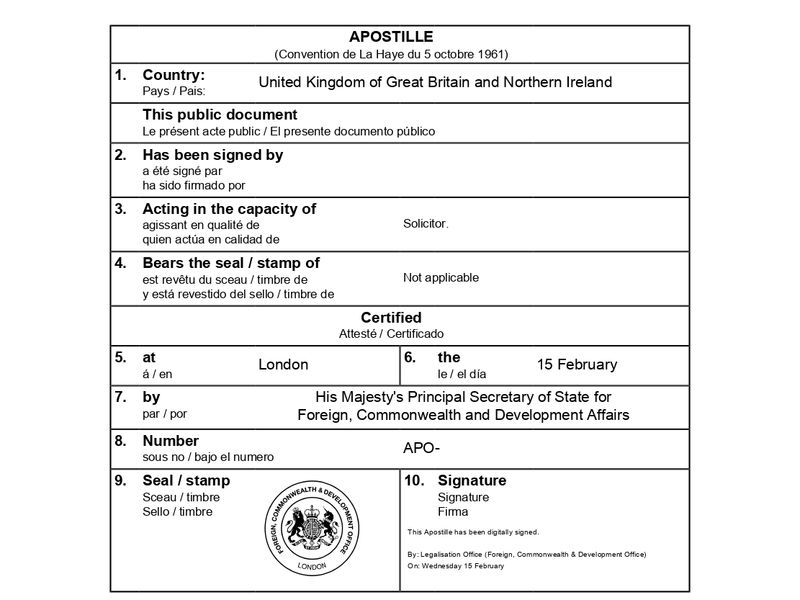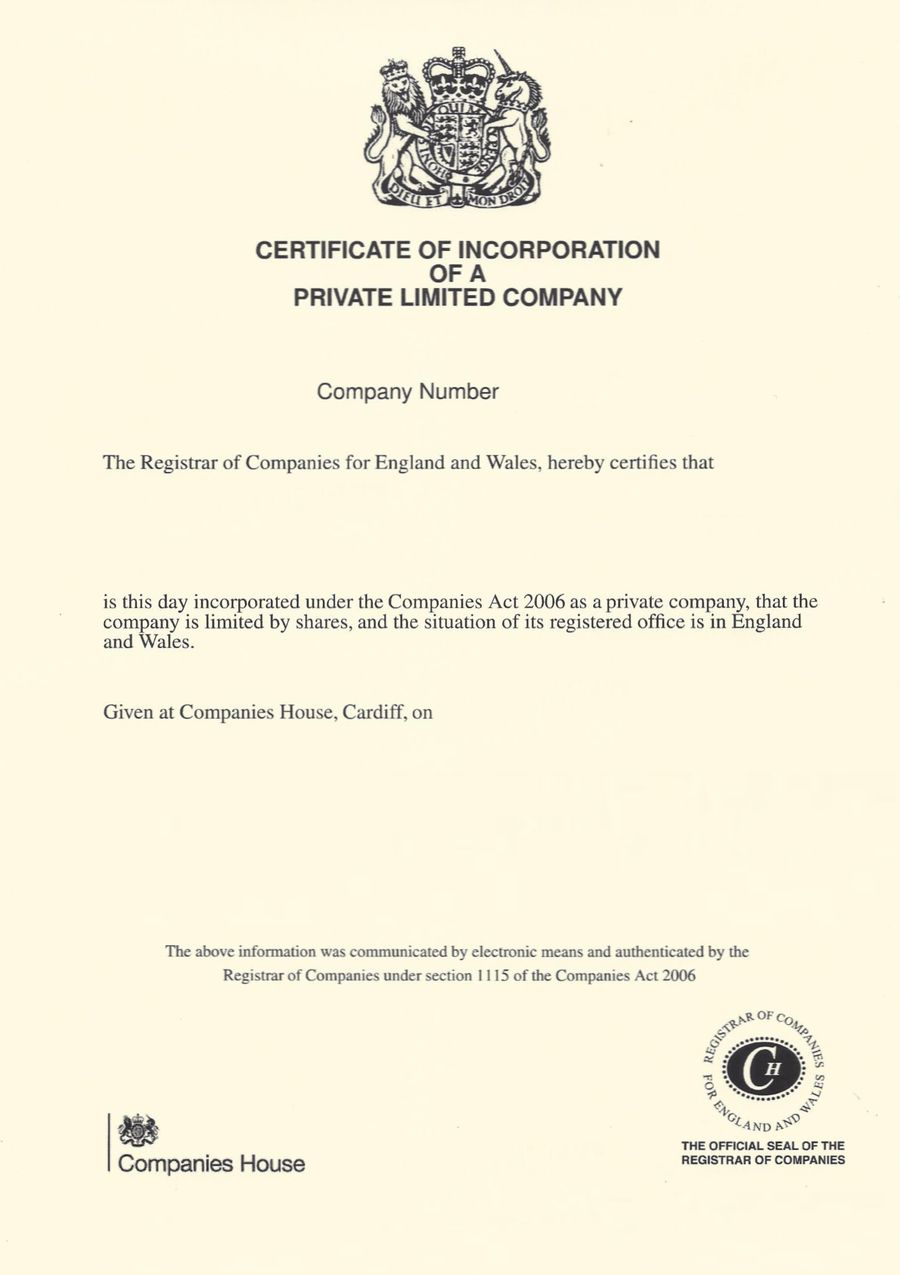
What Is an e-Apostille? A Simple Explanation

What Is an e-Apostille? A Simple Explanation

An e-apostille is the digital equivalent of a traditional paper apostille, issued by the UK Foreign, Commonwealth & Development Office (FCDO). This guide explains what an e-apostille is, how it works, and why it’s becoming the preferred method for legalising UK documents for use abroad.

  • What an e-Apostille is and how it differs from paper
  • Who issues e-Apostilles in the UK
  • Which countries accept e-Apostilles
  • How e-Apostilles are verified by foreign authorities
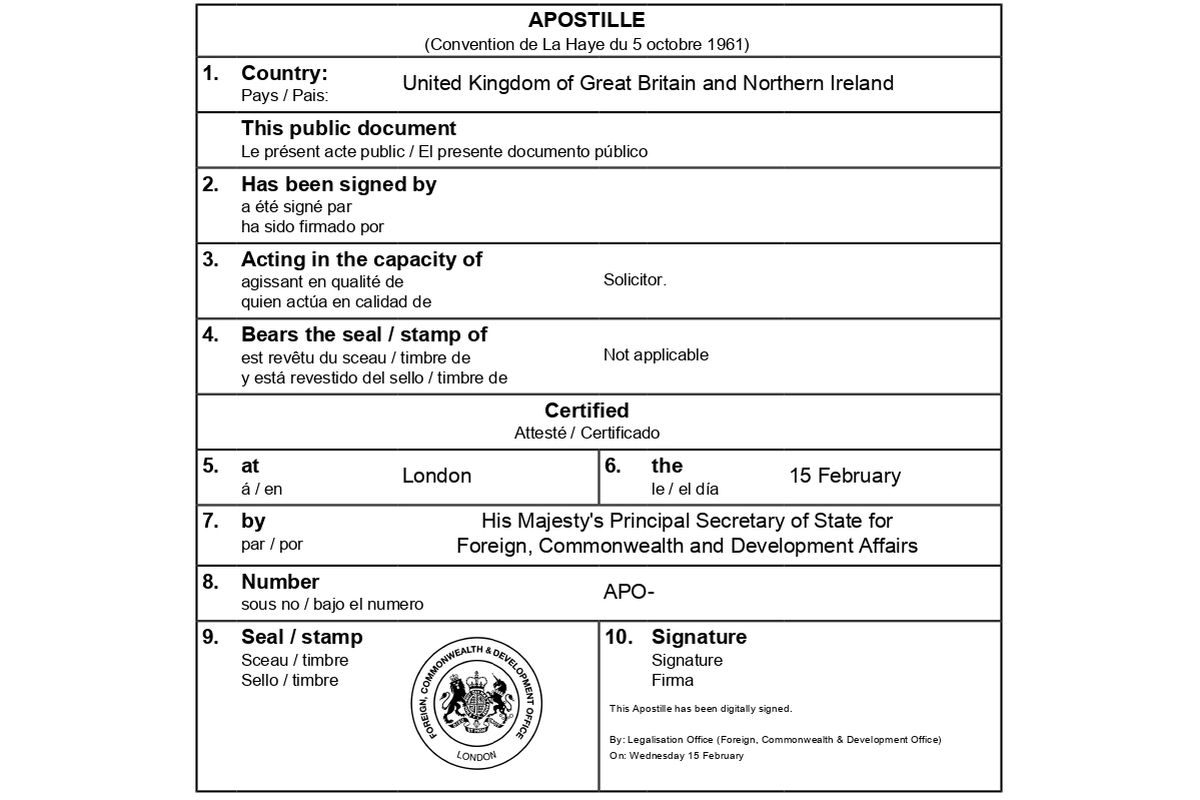
Sample of e-Apostille

FCDO-Issued e-Apostille

Dedicated Support

Everything You Need for a Fast Legalisation Service

Your e-Apostille is issued directly by the UK Foreign, Commonwealth & Development Office (FCDO). Our team will verify the document and organise valid electronic solicitor certification to avoid delays.

What You Need to Know About e-Apostilles

What You Need to Know About e-Apostilles

An e-apostille is a secure digital certificate that proves a UK document is genuine for use in countries that have signed the Hague Apostille Convention. It performs exactly the same legal function as a traditional paper apostille but exists entirely in electronic form.

Verified – Certified- Delivered Securely

Do you need an e-Apostille?

How an e-Apostille Works

How an e-Apostille Works

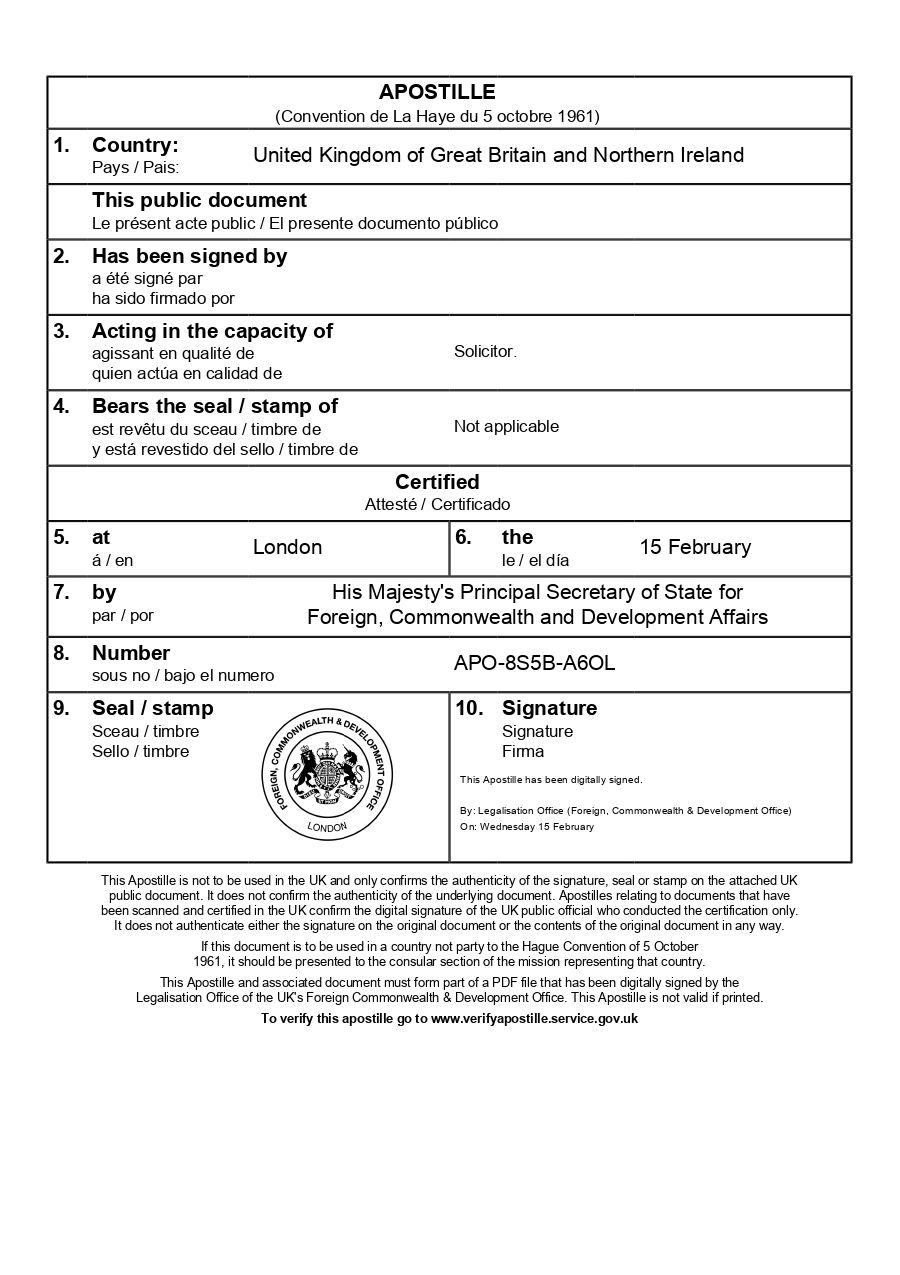
An e-apostille certifies that the electronic signature, seal, or stamp on your UK document is genuine. It does not verify the content of the document itself – only the authenticity of the electronic signature of the person or body that certified it.

When the FCDO issues an e-apostille, they create a secure PDF containing a digital signature, a unique reference number, and a verification URL. Foreign authorities can visit the verification link to confirm the e-Apostille was genuinely issued by the UK government and has not been altered.

The e-apostille is typically sent by email and can be forwarded electronically to employers, universities, or other receiving bodies abroad.

Because the e-Apostille file includes embedded security features, it cannot be tampered with or forged. Any attempt to alter the document after it has been issued will invalidate the digital signature, making fraud immediately detectable.

How The e-Apostille Process Works

The process is simple. Follow the steps below and we will arrange the e-apostille for you.
Frequently Asked Questions

Frequently Asked Questions

Yes. An e-Apostille has the same legal value as the traditional paper apostille in all countries signed up to the Hague Apostille Convention. However, some authorities may still prefer or require paper apostilles, so it’s recommended to check with them before applying.

Most Hague Convention countries. Any country signed up to the Hague Apostille Convention should recognise and accept the e-Apostille. That said, some authorities still insist on the traditional paper apostille.

Sometimes. Printing the e-Apostille removes most of the security features so in most cases authorities overseas will insist on receiving the digital file. A printout of the e-Apostille could still be verified on the FCDO website but would not be linked to an actual document so it would be unusual for a printout to be accepted abroad.

Via the verification page on the FCDO site. A verification url is included within the e-Apostille certificate to enable foreign authorities to verify this. The digital file will also contain electronic signatures which can be validated within the adobe reader software.

No functional difference. Both certify that a document is genuine and both are issued by the FCDO. The only difference is format: an e-apostille is a digital PDF, while a paper apostille is a physical certificate attached to your document. E-apostilles are generally faster to obtain and easier to send abroad. Some authorities overseas will still prefer a paper apostille.

No. E-apostilles do not expire. However, the underlying document may have validity requirements depending on the receiving country or authority. For example, some countries require certain documents to be less than three months old.

The paper apostille may be needed. If the receiving country or authority does not accept e-apostilles, you will need to obtain a traditional paper apostille instead. We can assist with that too.

Related Guides

Fast e-Apostille Service

Includes digital solicitor certification!
Personal documents and business documents.

Complete e-Apostille service for PDFs and digital documents. There is no faster e-apostille service.

⭐⭐⭐⭐⭐ Trusted by thousands of UK customers every year

sample e-apostille certificate
e-apostille certificate of incorporation