Are e-Apostilles Legally Valid Internationally?
Are e-Apostilles Legally Valid Internationally?
e-Apostilles have the same legal standing as paper apostilles under the Hague Apostille Convention. This guide explains which countries accept e-Apostilles, how their validity is verified, and what to check before submitting an e-apostille to a foreign authority.
Key points:
- E-apostilles are legally equivalent to paper apostilles
- Most Hague Convention countries accept e-apostilles
- Some authorities may have specific format preferences
- How to verify acceptance before applying


Everything You Need for a Fast Legalisation Service
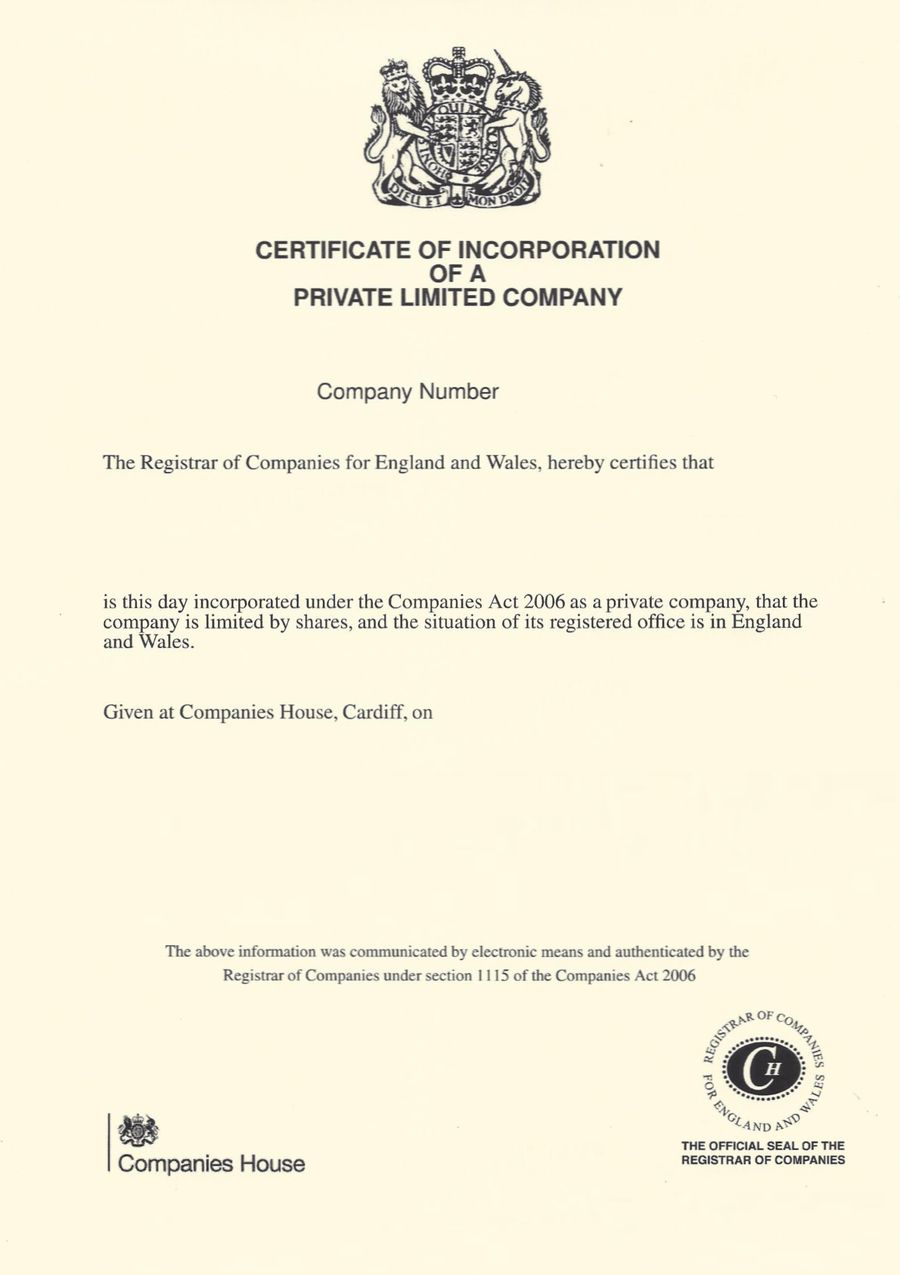
Your e-Apostille is issued directly by the UK Foreign, Commonwealth & Development Office (FCDO). Our team will verify the document and organise valid electronic solicitor certification to avoid delays.
Understanding e-Apostille Legal Validity
Understanding e-Apostille Legal Validity
E-apostilles are recognised under the Hague Apostille Convention as valid proof that a UK document is genuine. The Hague Conference on Private International Law, which governs the apostille system, introduced the e-apostille pilot programme in 2006 and has since confirmed that electronic apostilles carry the same weight as traditional paper versions.
Legal Status Under the Hague Convention
e-Apostilles are issued under the same legal framework as paper apostilles. Both formats certify that the signature, seal, or stamp on a UK document is authentic, and both should be recognised by the 120+ countries that have signed the Hague Apostille Convention.
How Validity Is Guaranteed
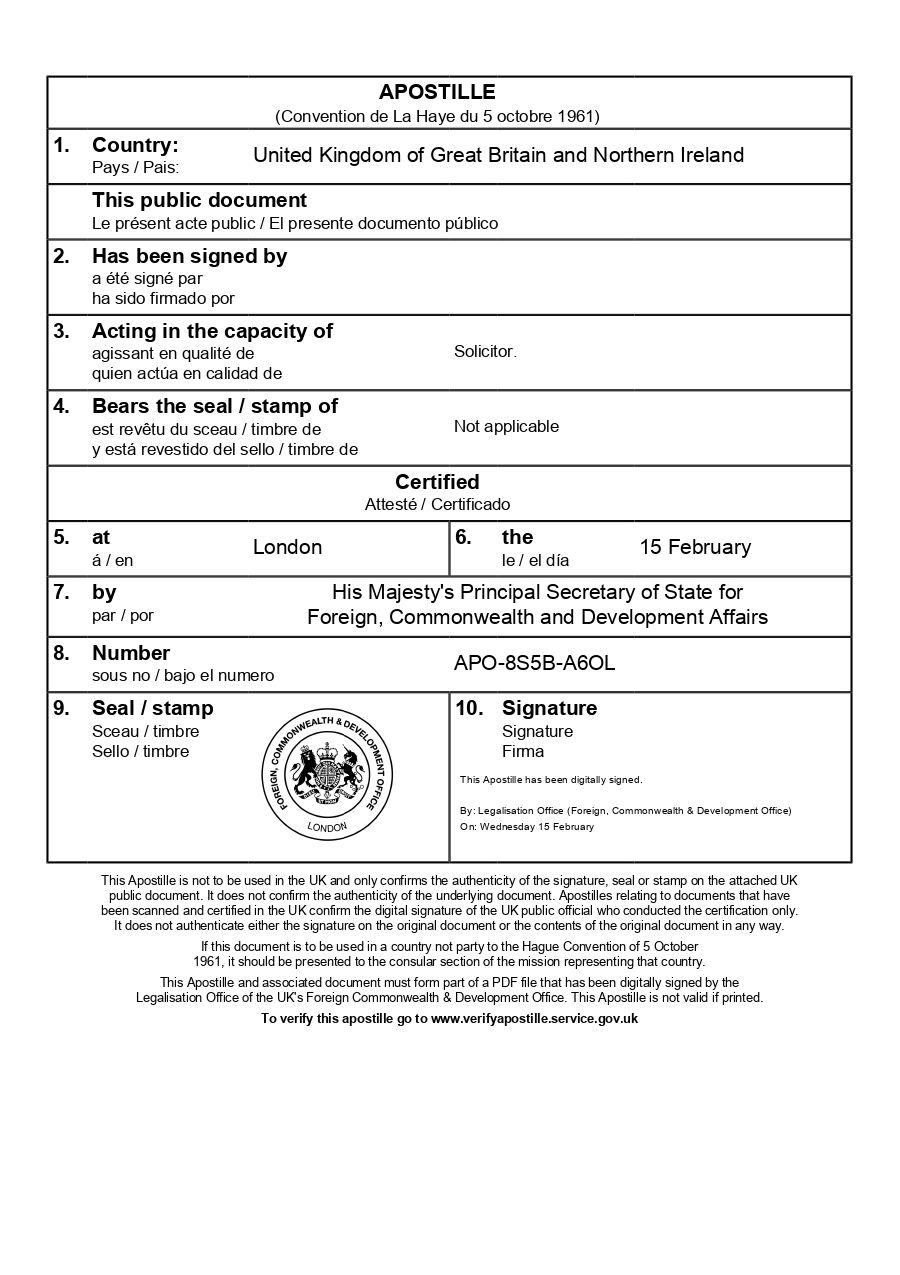
The FCDO issues e-apostilles with embedded digital signatures and unique verification codes. These security features allow foreign authorities to confirm authenticity instantly by visiting a verification URL, making e-Apostilles more secure and harder to forge than paper equivalents.
Why Some Countries Still Prefer Paper
While e-Apostilles are legally valid, some countries or individual government departments have been slower to adopt digital systems. In these cases, the preference for paper apostilles is administrative rather than legal, they may lack the infrastructure to verify electronic documents or simply have not updated their procedures yet.
Which Countries Accept e-Apostilles
Which Countries Accept e-Apostilles
Most Hague Convention countries accept e-apostilles for the majority of purposes. The United States, Australia, New Zealand, most EU member states, and many others routinely accept e-apostilles without issue.
However, acceptance can vary depending on the specific receiving authority and document type. For example, some authorities in Spain may insist on a paper apostille being added to original degree certificates as opposed to accepting electronic apostilles on digital academic documents.
The situation continues to evolve as more countries adopt digital infrastructure. If you’re unsure whether your destination accepts e-Apostilles, the safest approach is to check directly with the authority that will be receiving your document.
In practice, e-apostilles are rejected far less often than people expect. Many authorities that officially state a preference for paper will still accept e-apostilles when submitted, particularly if printed and presented alongside the original document.
How to Confirm Acceptance Before Applying
Confirming acceptance in advance can save time and avoid complications. Follow these steps to check whether an e-Apostille will be accepted.