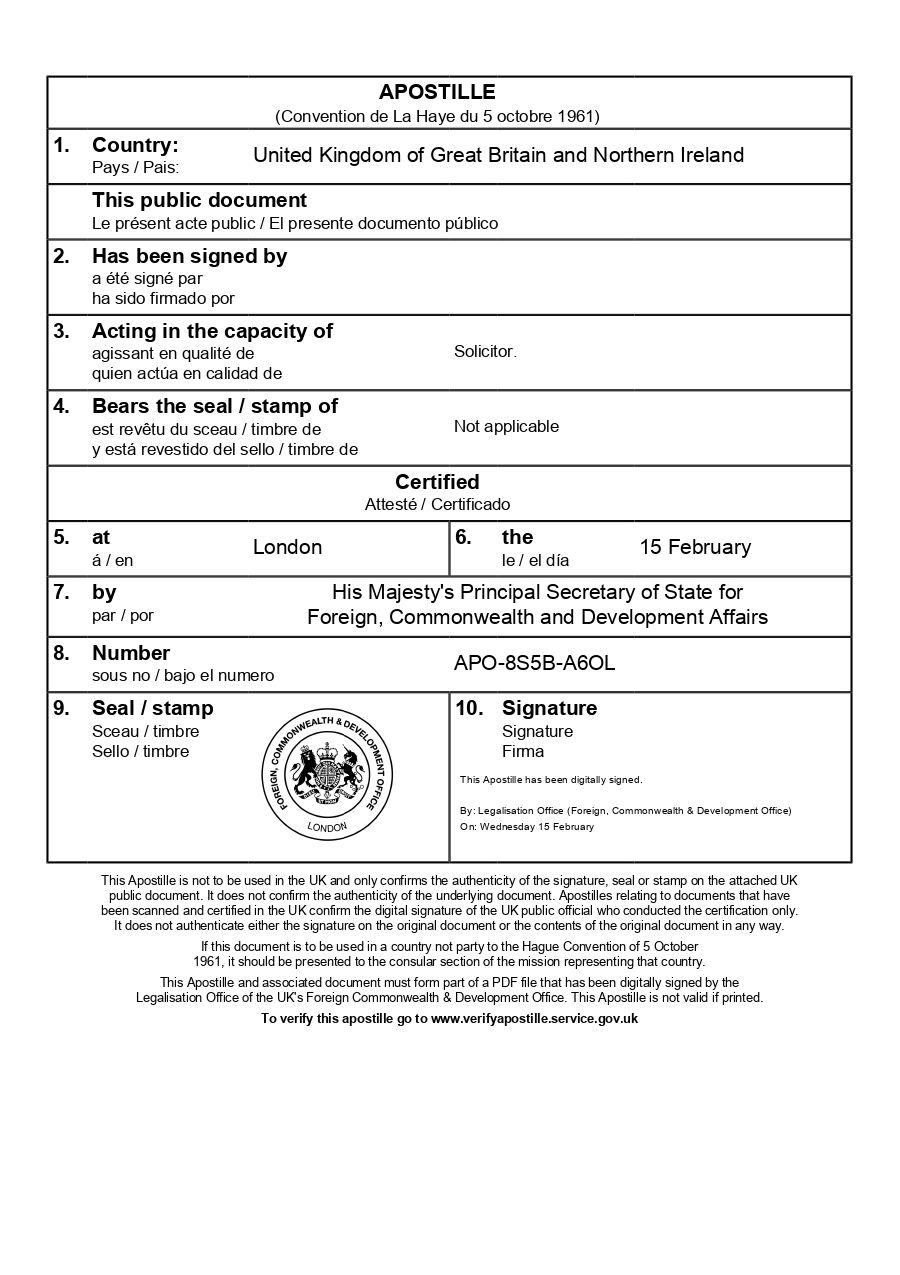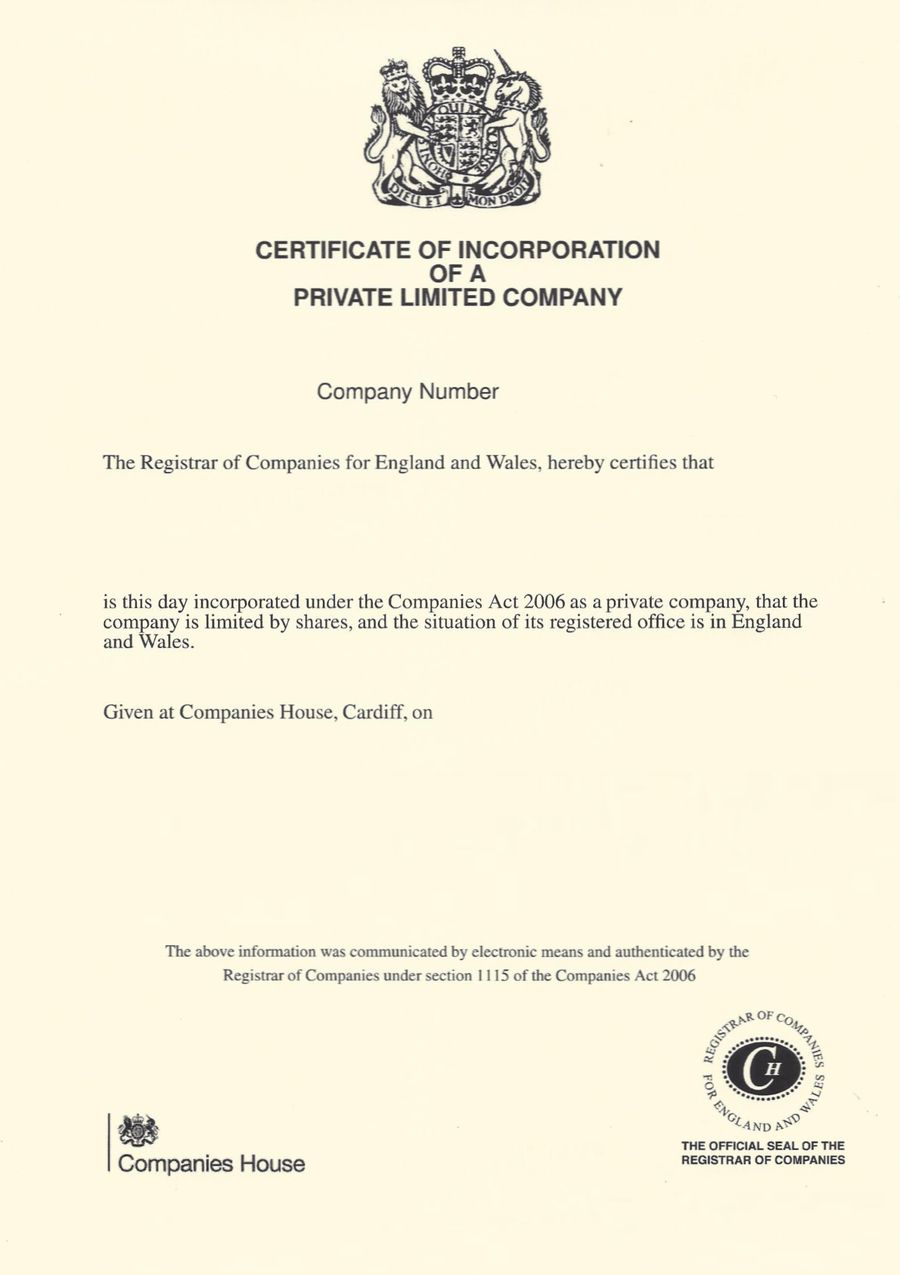
What are the apostille processing times?
What are the apostille processing times?
When you want a document legalised with the apostille or e-apostille, you may be looking for a fast service.
We aim to complete all apostilles orders in just 2 days! Many documents are legalised the next working day. Both e-apostilles and paper apostilles are completed in a similar timeframe.
• Expected processing times
• What can delay an apostille being issued
• How to prevent delays with your document

Everything You Need for a Fast Legalisation Service
Your e-Apostille is issued directly by the UK Foreign, Commonwealth & Development Office (FCDO). Our team will verify the document and organise valid electronic solicitor certification to avoid delays.
Expected processing times
Expected processing times
Most apostille orders are completed in our target of 2 working days. Many in just 1 working day! For clarity, processing times are a ‘guide’ based on current expectations. 98% of documents are legalised with no delays or problems. However, there are exceptions to this and we discuss this in more detail within this article.
The legalisation team work hard to provide all customers with a fast apostille service. It is important that customers understand, we work with solicitors and the FCDO government office. When a delay occurs with third parties, we cannot control this.
Do not worry! In the unlikely event there is a delay with a document, we will do everything we can expedite the completion of the order.
What can delay an apostille being issued
What can delay an apostille being issued
It is important to stress that on 1-2% of documents get delayed. Understanding why documents are rejected is to help you prevent any issues with your order.
1. Document Problems
The FCDO can only issue an apostille when the document meets strict criteria. Delays occur when the document is not suitable in its current form.
Common issues:
No signature on the document.
Signature cannot be verified or belongs to someone not recognised by the FCDO.
Signature missing printed name or job title.
Illegible signature or unclear stamp.
Document contains an unapproved digital signature.
Document is a scan, screenshot or photocopy where an original is required.
Academic certificates where the university cannot confirm authenticity.
HMRC or accountant letters where issuing bodies are slow to respond.
Laminated certificates (paper apostille only).
2. Solicitor or Notary Certification Issues
Certain documents require solicitor or notary certification before an apostille can be issued. This must meet specific standards.
Delays happen when:
Required certification wording is missing.
Printed name, firm name or date is missing.
The solicitor’s stamp is unclear or absent.
Certification is carried out by someone who is not a practising solicitor.
The solicitor uses a basic electronic signature that does not meet FCDO requirements.
For e-apostilles, the solicitor does not use an Advanced or Qualified digital signature.
3. Document Type Restrictions
Some documents cannot be legalised in their current form or require a different version.
Examples:
Short form birth or marriage certificates that are not government issued (e.g. Islamic Marriage Certificates).
UK apostille requested for a foreign document (not permitted).
Documents that are self-certified by the customer.
- Documents certified by an unrecognised organisation (e.g. Post Office).
Draft or unsigned versions of official documents.
Companies House documents without a wet ink signature where required.
4. Verification Delays
The FCDO or our service may need to verify the document with the issuing authority. This is a common cause of delays.
Typical verification points:
Universities, colleges or schools confirming academic awards.
HMRC confirming issue of tax documents or letters.
Accountants confirming membership of ICAEW or ACCA.
Employers confirming issue of employment letters.
Police bodies confirming the authenticity of certificates.
Delays occur when issuing bodies do not respond promptly or require follow-up from the FCDO.
5. Problems With the Application
Incorrect or incomplete applications can slow down the process.
Examples:
Missing information on the order.
Incorrect personal details.
No return delivery instructions for paper apostilles.
Missing order numbers inside envelopes.
Payment issues causing the file to be set aside.
6. Postal and Delivery Delays (Paper Apostilles)
Paper apostilles require physical delivery to the FCDO.
Delays can occur due to:
Royal Mail or courier delays.
Postal strikes or seasonal backlogs.
Damaged packaging or missing documents.
Envelopes arriving with no identifying information.
7. Issues Specific to E-Apostilles
Digital legalisation has its own technical requirements.
Delays may happen if:
The file is password protected.
The PDF has been edited after the solicitor signature.
Metadata shows the document was modified.
The PDF is saved in an unsupported format.
Signatures do not meet digital certificate standards.
File exceeds size limits.
The FCDO system cannot verify embedded QR codes or seals.
8. FCDO Internal Delays
Even when everything is correct, delays may still occur.
Possible internal causes:
High seasonal volume is unusual, but can impact the FCDO.
Technical or system outages.
Backlogs during busy periods.
Additional security checks on specific documents.
How to prevent delays with your document
How to prevent delays with your document
You can reduce the risk of delays by ensuring that:
Your document is signed by the correct authority.
Signatures and stamps are clear and complete.
You use an original or correct format version.
Any required solicitor certification is done correctly.
Your application details are accurate and complete.
For e-apostilles, the PDF has not been edited and contains a valid Advanced or Qualified digital signature.
- You use our solicitor and e-apostille service to ensure the solicitor certification will be accepted
How The e-Apostille Process Works
The process is simple. Follow the steps below and we will arrange the e-apostille for you.
Frequently Asked Questions
These questions cover the most common points regarding processing times for the apostille.