by Apostille Service
Share

You have been asked to get an apostille on a document and may be thinking the e-Apostille is the best option. However, in the UK, not all documents are eligible for an e-Apostille (an electronic Hague Apostille).
The Foreign, Commonwealth & Development Office (FCDO) will only issue an e-Apostille for documents that can be provided in a digitally signed PDF format. These documents must contain an electronic certification by a solicitor or notary public whose digital signature is recognised by the FCDO. We provide information on whether you need an e-Apostille or Paper Apostille.
Documents Not Eligible for an e-Apostille
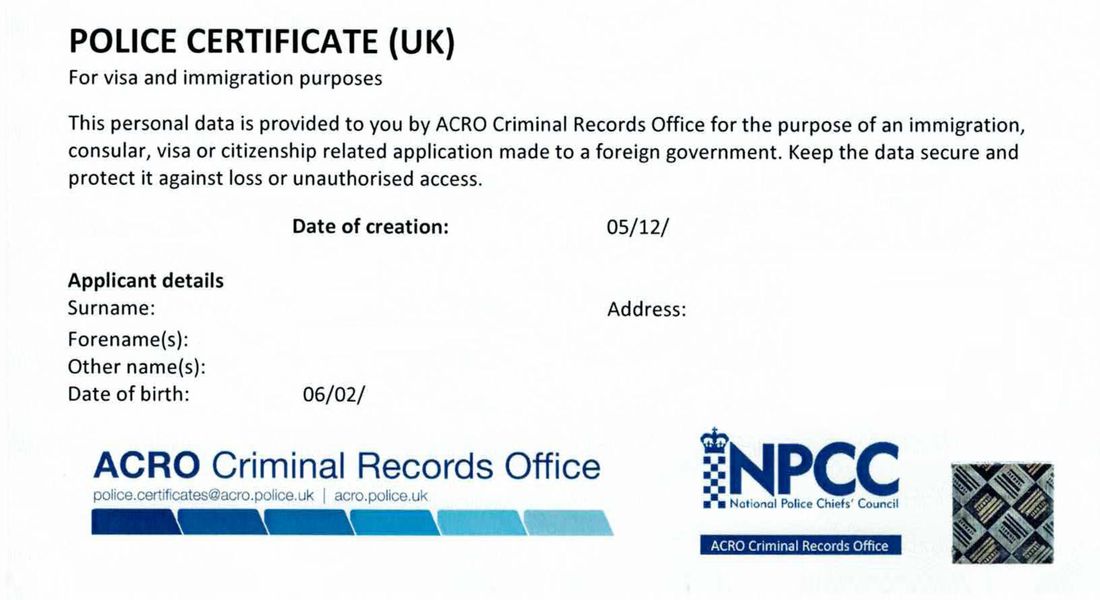
Here is a list of the main documents that cannot have an e-Apostille and must instead be legalised with the traditional paper based apostille certificate.
Why these documents cannot have the e-Apostille?
The UK e-Apostille requires the document to be in digital form with a recognised enhanced electronic signature (e.g., Advanced or Qualified Electronic Signature from a UK solicitor or notary public). Certain government documents are designed to be processed in their original paper format, and are not issued digitally or electronically signed. In addition, they cannot be converted into a digital document.
Even if the document is copied into a PDF and certified by a UK solicitor or notary public, they are not eligible for the e-Apostilles and must be processed as an original paper document.
Summary
While the e-Apostille is often a faster way to legalise a UK document, not all documents are equal. Formal government issued documents may need to have the paper based apostille on the original document.
For free advice on your document please contact the legalisation team for help.
You have been asked to get an apostille on a document and may be thinking the e-Apostille is the best option. However, in the UK, not all documents are eligible for an e-Apostille (an electronic Hague Apostille).
The Foreign, Commonwealth & Development Office (FCDO) will only issue an e-Apostille for documents that can be provided in a digitally signed PDF format. These documents must contain an electronic certification by a solicitor or notary public whose digital signature is recognised by the FCDO. We provide information on whether you need an e-Apostille or Paper Apostille.
Documents Not Eligible for an e-Apostille
Here is a list of the main documents that cannot have an e-Apostille and must instead be legalised with the traditional paper based apostille certificate.
Why these documents cannot have the e-Apostille?
The UK e-Apostille requires the document to be in digital form with a recognised enhanced electronic signature (e.g., Advanced or Qualified Electronic Signature from a UK solicitor or notary public). Certain government documents are designed to be processed in their original paper format, and are not issued digitally or electronically signed. In addition, they cannot be converted into a digital document.
Even if the document is copied into a PDF and certified by a UK solicitor or notary public, they are not eligible for the e-Apostilles and must be processed as an original paper document.
Summary
While the e-Apostille is often a faster way to legalise a UK document, not all documents are equal. Formal government issued documents may need to have the paper based apostille on the original document.
For free advice on your document please contact the legalisation team for help.