by Apostille Service
Share

The apostille certificate originates from the 1961 Hague Convention which created a standardised way for member countries to recognise public documents issued in another member country. For many years, the UK only issued a paper apostille attached to the physical document.
In 2022, the UK introduced the electronic version of the apostille (e-Apostille). This is a digital version of the traditional apostille and is issued as a PDF file with a secure digital signature. The e-Apostille was introduced to improve speed, security and international verification.
Both formats are issued exclusively by the UK Foreign, Commonwealth and Development Office (FCDO), but what you you need an e-Apostille or a paper apostille?
What is the difference between an e-Apostille and a paper apostille?
Paper apostille
A physical certificate attached to the physical document
Requires the original or a correctly certified copy document to be submitted
Verification abroad is done on the FCDO website
Suitable for all eligible UK documents, including government documents
e-Apostille
A secure PDF file provided by email
Entirely digital and contains a solicitor’s digital signature and the FCDO digital signature
Verification is done online using the FCDO website
Only available for digitally signed documents that meet specific requirements
Why are they different?
The two formats exist because they serve different document types.
Paper apostilles are needed when the underlying document itself is physical. Many UK public bodies still issue ink signed or printed originals which cannot be converted into a valid digital file suitable for e-legalisation.
e-Apostilles rely on digital certification of a copy PDF document. The FCDO must be able to confirm the identity of the solicitor or official who signed the document and verify the integrity of the digital signature. This is only possible when the signature is an enhanced or advanced digital certificate issued to a UK solicitor through an approved provider. The solicitor or notary must have their digital signature approved by the FCDO in advance of submission.

Why only documents with enhanced digital signatures can have an e-Apostille?
The FCDO will only issue an e-apostille where the original document is digitally signed by a solicitor or notary using an enhanced or advanced electronic signature. This is because:
The signature must contain verifiable identity information for the solicitor or notary
The solicitor or notary must have had their digital signature verified by the FCDO
The FCDO must be able to confirm the certificate issuer and encryption standard
The digital file must be secure
Simple scanned signatures, typed names or basic PDF signatures are not accepted.
Which documents can receive an e-apostille?
Eligible documents
Documents must be digitally signed by a UK solicitor using an enhanced digital certificate. Examples include:
Digitally signed solicitor certified copies of academic certificates
Digitally signed solicitor certified copies of HMRC documents
- Digitally signed solicitor certified copies of some personal document
Digitally signed solicitor witnessed declarations, statements and powers of attorney
Digitally issued company documents that have been digitally certified by a solicitor
For a comprehensive list visit our document page.
Why these documents qualify
A solicitor with an enhanced digital certificate has been identity verified by the certificate authority, which allows the FCDO to rely on the signature. The document is also protected against tampering after signing.
Which documents cannot receive an e-apostille and why?
Not eligible for e-apostille
These documents can only be legalised with a paper apostille:
Government issued originals
Birth, marriage or death certificates
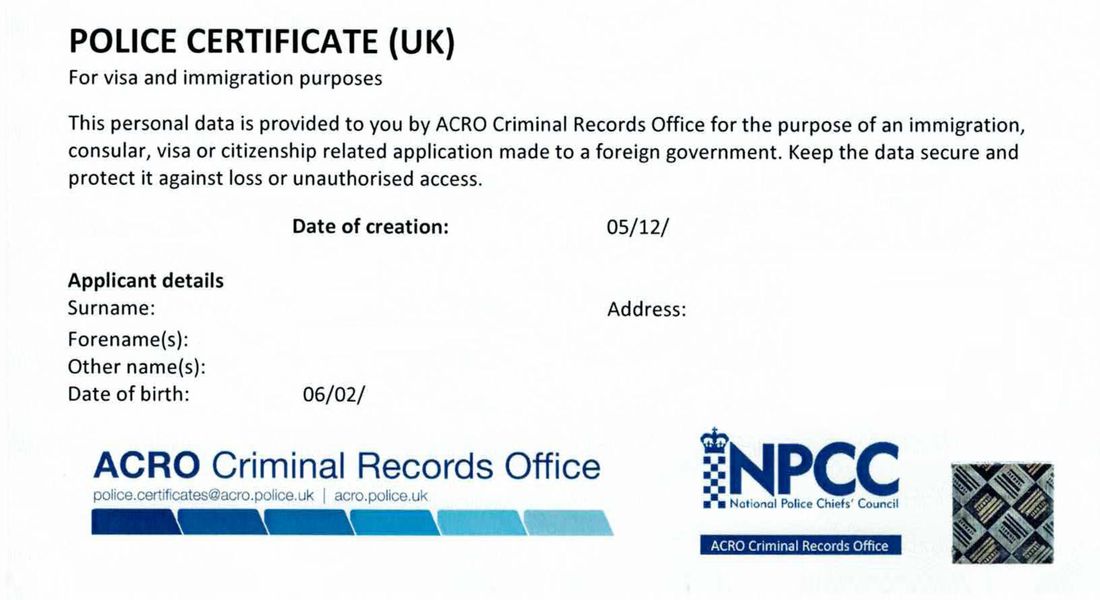
ACRO criminal record checks
- Certificate of No Impediments
Certificates of Good Standing INK signed by Companies House
Court ‘stamped’ documents. Reason: These are issued in paper format and are not digitally signed using an enhanced certificate.
Ink signed documents from doctors, schools, accountants or organisations
Reason: Wet signatures cannot be converted into a valid digital signature for e-legalisation.Scans or PDFs of physical documents
Reason: A scan is not a digitally executed document, and adding a simple PDF signature does not meet the enhanced signature standard.Documents signed using basic or unverified digital signatures
Reason: The FCDO cannot authenticate the signer or confirm the integrity of the file.
For a more detailed list please visit our document page.
Summary
Paper apostilles apply to physical documents and remain the most widely used format.
e-Apostilles are issued entirely electronically and require a document to be digitally signed with an enhanced signature by a UK solicitor.
Most traditional UK public documents cannot receive an e-Apostille because they are still issued on paper or with non compliant signatures.
Choosing the correct format depends entirely on how the underlying document was created and signed.

The apostille certificate originates from the 1961 Hague Convention which created a standardised way for member countries to recognise public documents issued in another member country. For many years, the UK only issued a paper apostille attached to the physical document.
In 2022, the UK introduced the electronic version of the apostille (e-Apostille). This is a digital version of the traditional apostille and is issued as a PDF file with a secure digital signature. The e-Apostille was introduced to improve speed, security and international verification.
Both formats are issued exclusively by the UK Foreign, Commonwealth and Development Office (FCDO), but what you you need an e-Apostille or a paper apostille?
What is the difference between an e-Apostille and a paper apostille?
Paper apostille
A physical certificate attached to the physical document
Requires the original or a correctly certified copy document to be submitted
Verification abroad is done on the FCDO website
Suitable for all eligible UK documents, including government documents
e-Apostille
A secure PDF file provided by email
Entirely digital and contains a solicitor’s digital signature and the FCDO digital signature
Verification is done online using the FCDO website
Only available for digitally signed documents that meet specific requirements
Why are they different?
The two formats exist because they serve different document types.
Paper apostilles are needed when the underlying document itself is physical. Many UK public bodies still issue ink signed or printed originals which cannot be converted into a valid digital file suitable for e-legalisation.
e-Apostilles rely on digital certification of a copy PDF document. The FCDO must be able to confirm the identity of the solicitor or official who signed the document and verify the integrity of the digital signature. This is only possible when the signature is an enhanced or advanced digital certificate issued to a UK solicitor through an approved provider. The solicitor or notary must have their digital signature approved by the FCDO in advance of submission.
Why only documents with enhanced digital signatures can have an e-Apostille?
The FCDO will only issue an e-apostille where the original document is digitally signed by a solicitor or notary using an enhanced or advanced electronic signature. This is because:
The signature must contain verifiable identity information for the solicitor or notary
The solicitor or notary must have had their digital signature verified by the FCDO
The FCDO must be able to confirm the certificate issuer and encryption standard
The digital file must be secure
Simple scanned signatures, typed names or basic PDF signatures are not accepted.
Which documents can receive an e-apostille?
Eligible documents
Documents must be digitally signed by a UK solicitor using an enhanced digital certificate. Examples include:
Digitally signed solicitor certified copies of academic certificates
Digitally signed solicitor certified copies of HMRC documents
- Digitally signed solicitor certified copies of some personal document
Digitally signed solicitor witnessed declarations, statements and powers of attorney
Digitally issued company documents that have been digitally certified by a solicitor
For a comprehensive list visit our document page.
Why these documents qualify
A solicitor with an enhanced digital certificate has been identity verified by the certificate authority, which allows the FCDO to rely on the signature. The document is also protected against tampering after signing.
Which documents cannot receive an e-apostille and why?
Not eligible for e-apostille
These documents can only be legalised with a paper apostille:
Government issued originals
Birth, marriage or death certificates
ACRO criminal record checks
- Certificate of No Impediments
Certificates of Good Standing INK signed by Companies House
Court ‘stamped’ documents. Reason: These are issued in paper format and are not digitally signed using an enhanced certificate.
Ink signed documents from doctors, schools, accountants or organisations
Reason: Wet signatures cannot be converted into a valid digital signature for e-legalisation.Scans or PDFs of physical documents
Reason: A scan is not a digitally executed document, and adding a simple PDF signature does not meet the enhanced signature standard.Documents signed using basic or unverified digital signatures
Reason: The FCDO cannot authenticate the signer or confirm the integrity of the file.
For a more detailed list please visit our document page.
Summary
Paper apostilles apply to physical documents and remain the most widely used format.
e-Apostilles are issued entirely electronically and require a document to be digitally signed with an enhanced signature by a UK solicitor.
Most traditional UK public documents cannot receive an e-Apostille because they are still issued on paper or with non compliant signatures.
Choosing the correct format depends entirely on how the underlying document was created and signed.