e-Apostille vs traditional paper apostille
e-Apostille vs traditional paper apostille
Understanding the difference between an e-Apostille and a traditional paper apostille helps you choose the most suitable format for your document. Both are issued by the UK FCDO and both carry the same legal status, but they differ in how they are produced, delivered and verified. This page explains how they work and when each option may be preferred.
• What is an e-Apostille?
• What is a traditional paper apostille?
• Key differences between e-Apostille and paper apostille
• Which countries accept e-Apostilles?
• Benefits of choosing an e-Apostille
• When a paper apostille may still be required

Everything You Need for a Fast Legalisation Service
Your e-Apostille is issued directly by the UK Foreign, Commonwealth & Development Office (FCDO). Our team will verify the document and organise valid electronic solicitor certification to avoid delays.
What is the difference between a UK e-Apostille and a traditional paper apostille?
What is the difference between a UK e-Apostille and a traditional paper apostille?
The UK offers two valid apostille formats: a digital version known as the e-Apostille and the long-established paper apostille with a physical seal. Both confirm the authenticity of a UK document for international use. This article explains how they compare in terms of speed, delivery, acceptance and practical use.
The introduction of e-Apostilles has modernised the legalisation process. Digital apostilles remove the need for postage and physical handling, making the process faster, more secure and more convenient. Traditional paper apostilles remain important for documents that do not contain acceptable digital signatures, for countries that still require the physical version or for customers who need a hard copy for presentation.
Both formats are legally valid under the Hague Convention, and both contain official signatures from the FCDO. Which one you need depends on the document type and the receiving authority. It is becoming more popular to use the digital option as it is quicker, safer and easier to verify but some document types are yet to be updated to include a digital signature.
What is an e-Apostille?
What is an e-Apostille?
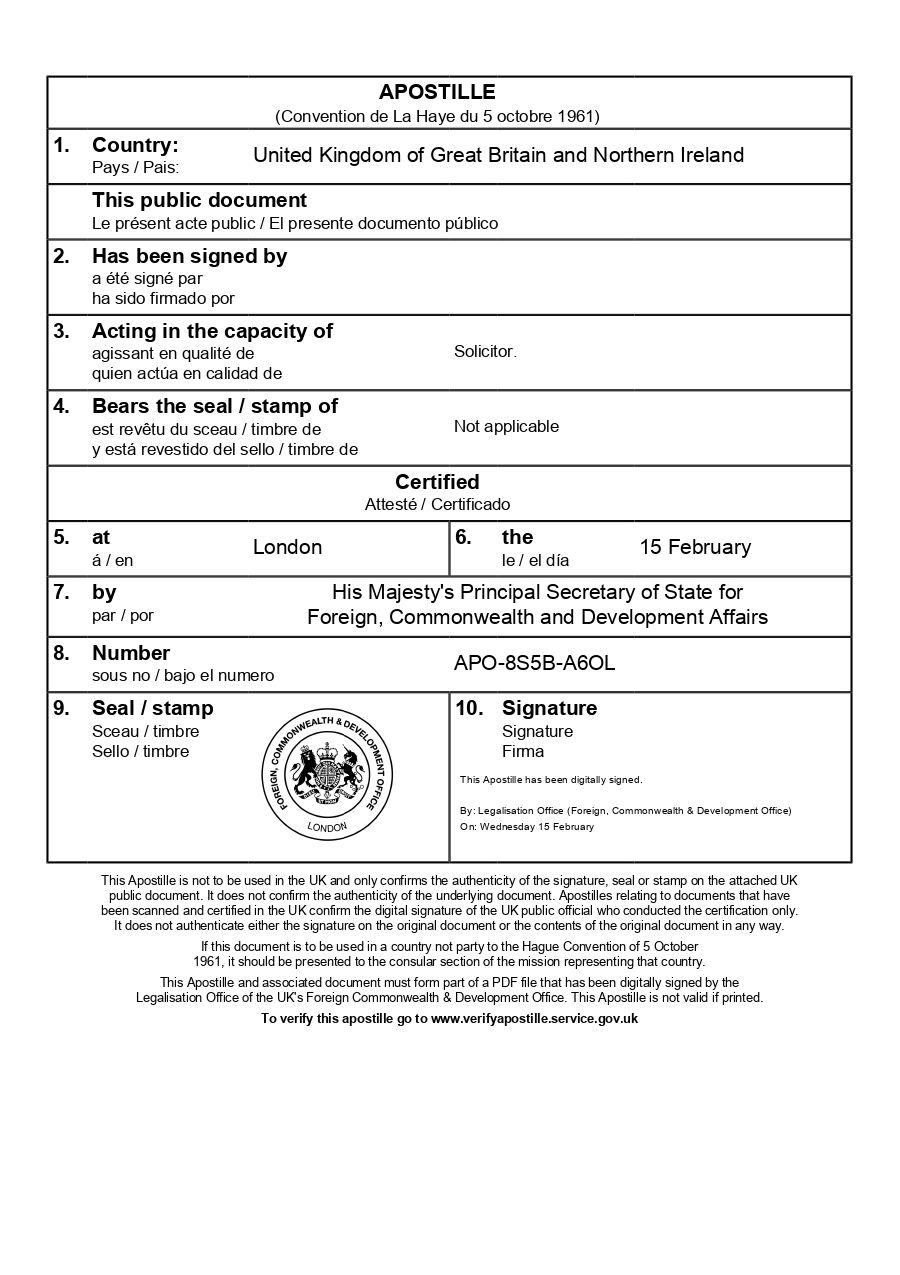
An e-Apostille is the digital version of a UK apostille. It is issued as a secure PDF that contains a verified digital signature from the FCDO. The document can be emailed, stored digitally and forwarded to the receiving authority without the need for printing or postage.
The digital signature allows the e-Apostille to be verified online at any time, ensuring authenticity and preventing tampering.
What is a traditional paper apostille?
What is a traditional paper apostille?
A traditional apostille is a physical certificate attached to your document by the FCDO. It includes a raised seal and wet ink signature. This version must be posted or collected and physically presented to the requesting authority.
While slower and more reliant on courier services, the paper apostille is still widely used and remains essential for authorities that do not accept digital versions. Some documents can not be issued with a digital e-Apostille so the paper apostille is often the only option available until more official documents are modernised.
Key differences between e-Apostille and paper apostille
Key differences between e-Apostille and paper apostille
The most significant difference is the format. e-Apostilles are fully digital and delivered by email, while paper apostilles require printing, attachment and postal delivery. e-Apostilles are usually faster to issue as there are no courier delays.
Security methods also differ. e-Apostilles rely on advanced digital signatures that can be verified online, whereas paper apostilles rely on physical seals and manual inspection. Paper apostilles do contain a unique reference number that can be verified online with the FCDO. The online verification confirms certain facts about the apostille certificate that are specific to the document it is attached to.
Which countries accept e-Apostilles?
Which countries accept e-Apostilles?
Most Hague Convention member countries now accept digital apostilles. However, acceptance can vary depending on the authority or type of application. For example, some immigration departments or courts may still request a traditional paper version even if the country generally accepts digital apostilles.
If you are unsure, it is always best to confirm with the receiving authority before choosing the format. If in doubt a paper apostille is usually the safest option.
Benefits of choosing an e-Apostille
Benefits of choosing an e-Apostille
The main advantages are speed, security and convenience. e-Apostilles are typically processed faster, delivered by email and can be verified online. They eliminate the risks associated with postage, such as delays, loss or damage.
They are also easier to store and resend, making them ideal for applications where multiple recipients need to review the document.
When a paper apostille may still be required
When a paper apostille may still be required
A paper apostille may still be needed if the receiving authority insists on a physical version. Some government departments, courts or immigration offices still follow traditional procedures and require a wet ink certificate.
A paper apostille is also suitable if you prefer to present a physical document or if the organisation handling your application cannot accept digital files.
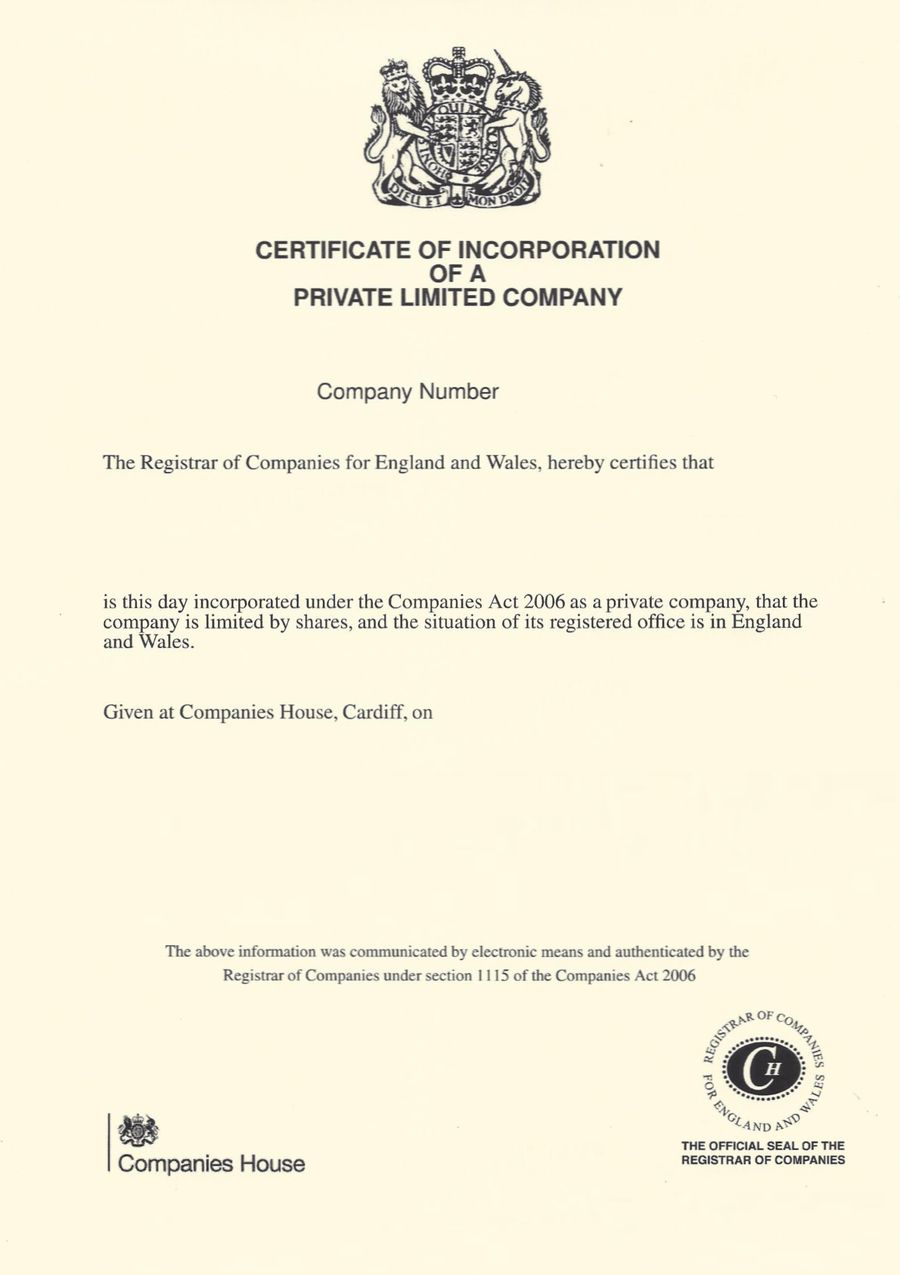
Some UK documents can not be issued with an e-Apostille as the document only exists in physical form with a wet ink signature or seal on it, for example UK birth certificates. The General Register Office do not yet issue digital birth certificates that contain a verifiable digital signature and this document must be legalised on the registrar signature or seal. As this is a physical signature or seal on a paper apostille can be used to legalise this document type. It is expected this situation will change in time as systems modernise for UK official departments like the GRO.
How The e-Apostille Process Works
The process is simple. Follow the steps below and we will arrange the e-apostille for you.