When Is a Wet-Ink Signature Still Required?
When Is a Wet-Ink Signature Still Required?
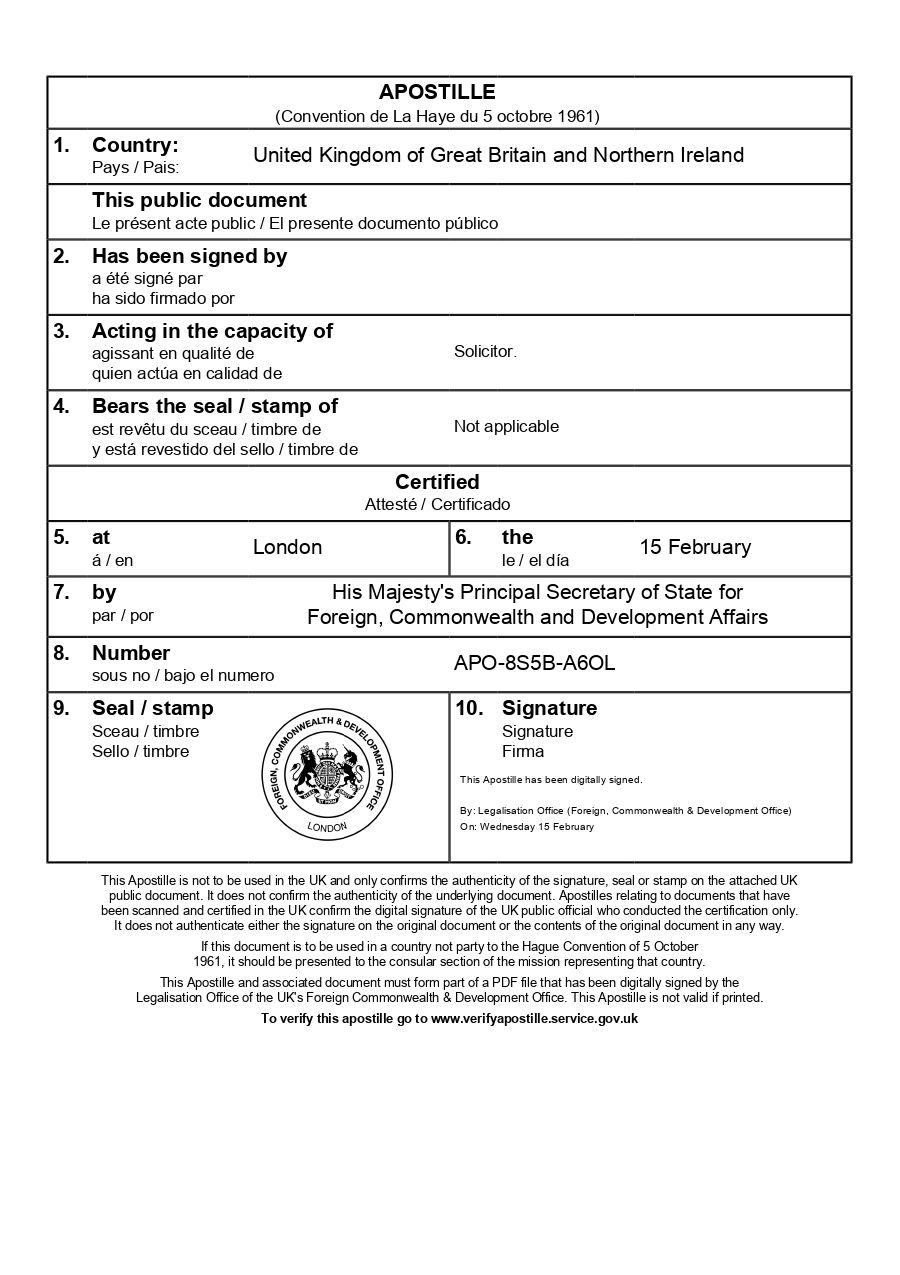
Most UK documents can now be e-Apostilled without requiring traditional wet-ink signatures and paper apostilles, but some situations still demand physical signatures before legalisation. This guide explains when wet-ink signatures are necessary, when digital alternatives are accepted, and how to determine which your document needs. Documents containing wet-ink signatures are legalised with a paper apostille rather than an e-Apostille.
Key points:
- When wet-ink signatures are still required for legalisation
- Which documents can use digital signatures instead
- How to check if your document needs physical signing
- What to do if you only have a digital version
Everything You Need for a Fast Legalisation Service
Your e-Apostille is issued directly by the UK Foreign, Commonwealth & Development Office (FCDO). Our team will verify the document and organise valid electronic solicitor certification to avoid delays.
Understanding Wet-Ink Signature Requirements
Understanding Wet-Ink Signature Requirements
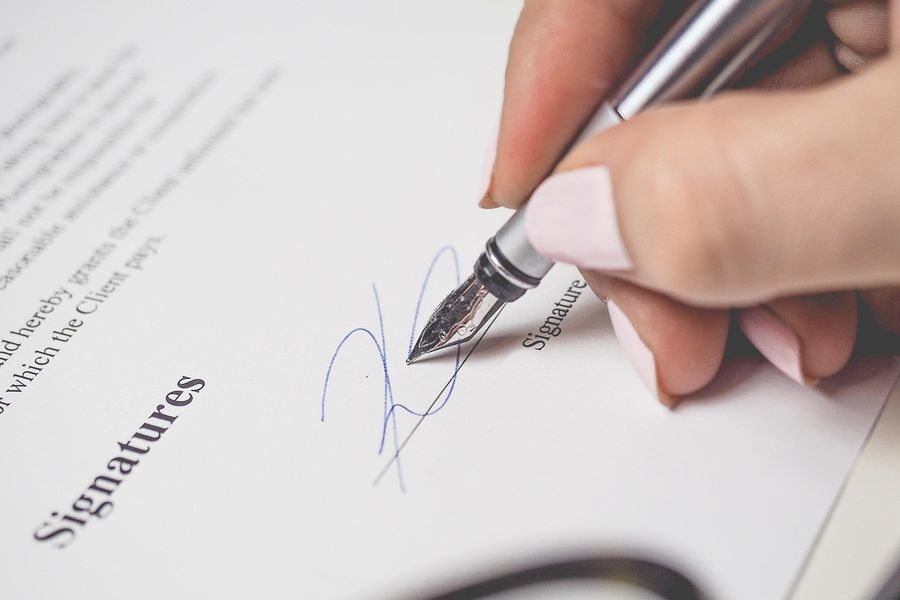
A wet-ink signature refers to a physical signature made with a pen on paper. This is the traditional method of signing documents before digital alternatives became widespread. While e-Apostilles are designed for electronic documents, certain situations still require original wet-ink signatures before the paper apostille process can begin.
Common Situations Requiring Wet-Ink Signatures
Common Situations Requiring Wet-Ink Signatures
Understanding which documents require wet-ink signatures can help you plan ahead and avoid delays when applying for an e-apostille.
Powers of attorney: Most powers of attorney must be signed in wet-ink by the person granting this. This signature is witnessed by a UK solicitor or notary public who will then add their own wet-ink certification. While the solicitor or notary may have a digital signature, the underlying power of attorney document typically requires physical signatures before it can be certified and apostilled.
Affidavits and statutory declarations: These documents generally require wet-ink signatures made in the presence of a solicitor or notary public.
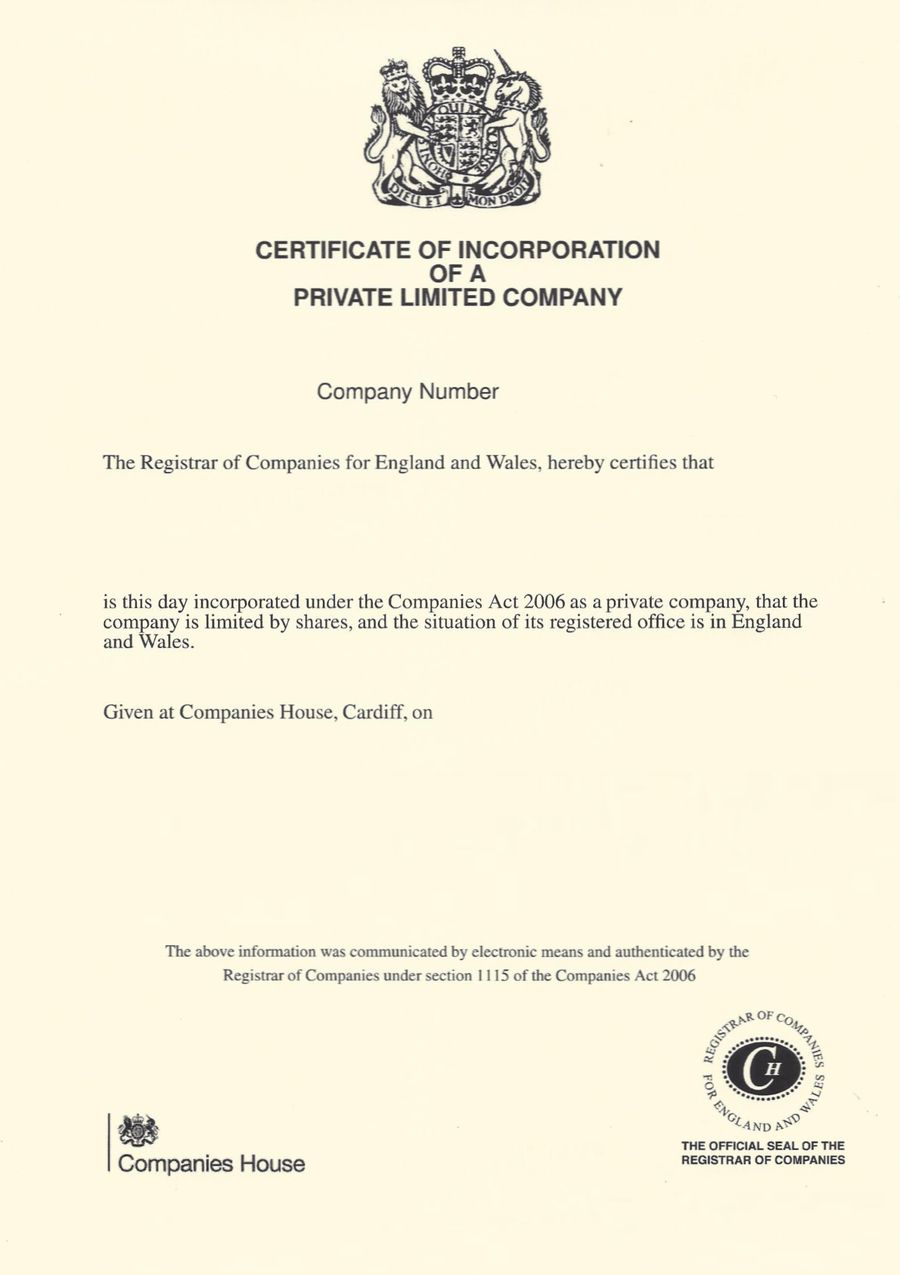
Certain corporate documents: Company resolutions, board minutes, and some shareholders’ agreements may require wet-ink signatures from directors or company officers before they can be witnessed by a solicitor or notary and apostilled, particularly if they were created before the company adopted electronic signing procedures.
Documents for specific jurisdictions: Some countries explicitly require wet-ink signatures on specific document types, regardless of whether digital alternatives exist. This is most common with documents being used for property transactions, immigration applications in certain countries, or legal proceedings where local rules require original signatures.
How The e-Apostille Process Works
The process is simple. Follow the steps below and we will arrange the e-apostille for you.