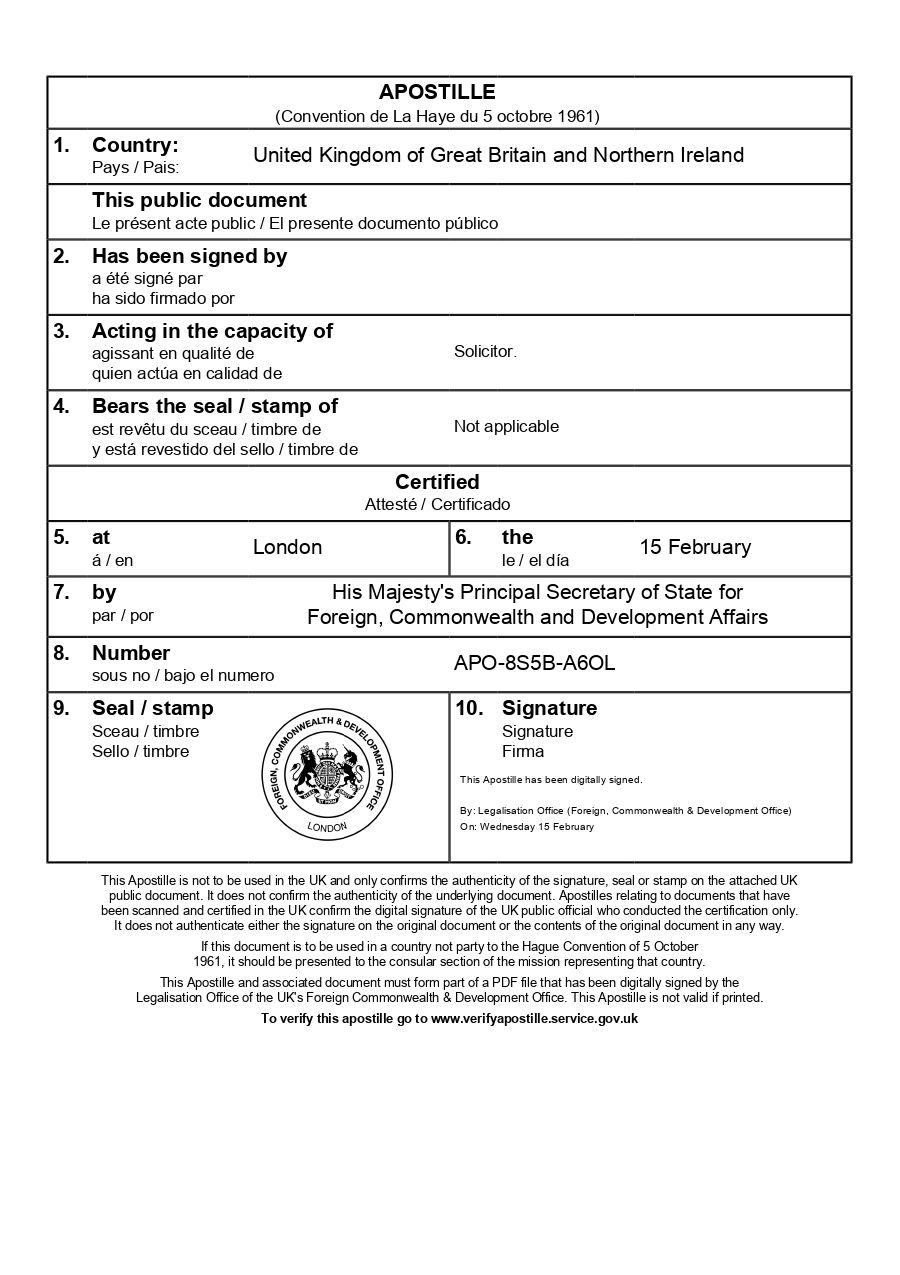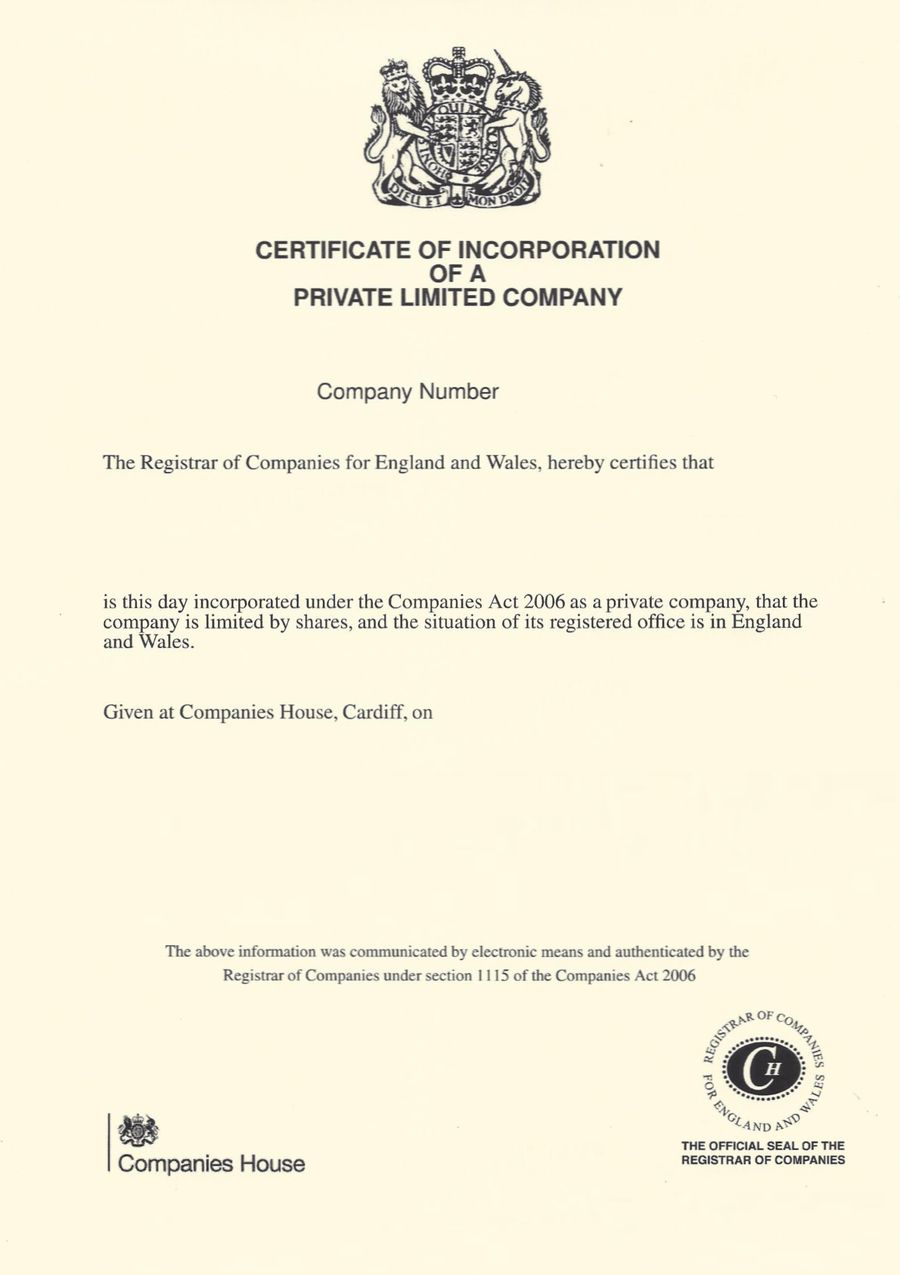
e-Apostille for Legal and Court Documents
e-Apostille for Legal and Court Documents
Legal and court documents like decree absolute certificates, deed polls, probate documents, and court orders are frequently needed for international legal proceedings, marriage abroad, or immigration applications. This guide explains how to get legal documents e-apostilled, which formats are accepted, and what receiving authorities typically require.
Key points:
- Some legal documents can be e-apostilled with electronic certification
- Court documents often require certification before e-Apostille
- When paper apostilles may be preferred for legal matters

Everything You Need for a Fast Legalisation Service
Your e-Apostille is issued directly by the UK Foreign, Commonwealth & Development Office (FCDO). Our team will verify the document and organise valid electronic solicitor certification to avoid delays.
Understanding e-Apostille for Legal Documents
Understanding e-Apostille for Legal Documents
Legal and court documents can sometimes be e-apostilled, though the process varies depending on whether the document was issued digitally by a court or public authority, or exists only as a paper original. Generally, the paper apostille is required.
Why Legal Documents Often Need Certification
Most UK court documents and legal certificates are still issued as paper originals with court seals and stamps. While some courts have adopted digital systems, the majority of legal documents you’re likely to need apostilled will require solicitor certification before they can be e-Apostilled. We cannot solicitor certify court documents if we cannot verify the contents.
Digital Systems in UK Courts
Some UK courts and legal bodies now offer digitally issued documents or can provide verified digital copies on request. Divorce documents such as final orders are now primarily issued digitally by the Family Court. HM Courts & Tribunals Service has been gradually introducing digital systems, though availability varies significantly by court type and document category.
When Paper Apostilles Are Preferred
Foreign courts, particularly for matters like probate, marriage registration, adoption, or property transactions, often have strict requirements for original paper documents with traditional apostilles. While e-apostilles are legally valid, some jurisdictions or specific courts may not yet have the infrastructure to verify electronic documents. We always recommend confirming requirements with the receiving authority before choosing between the e-Apostille and paper apostille for legal matters.
Which Legal Documents Can Be e-Apostilled?
Which Legal Documents Can Be e-Apostilled?
Here’s a breakdown of common legal documents and their e-Apostille eligibility:
Government Documents
How The e-Apostille Process Works
The process is simple. Follow the steps below and we will arrange the e-apostille for you.