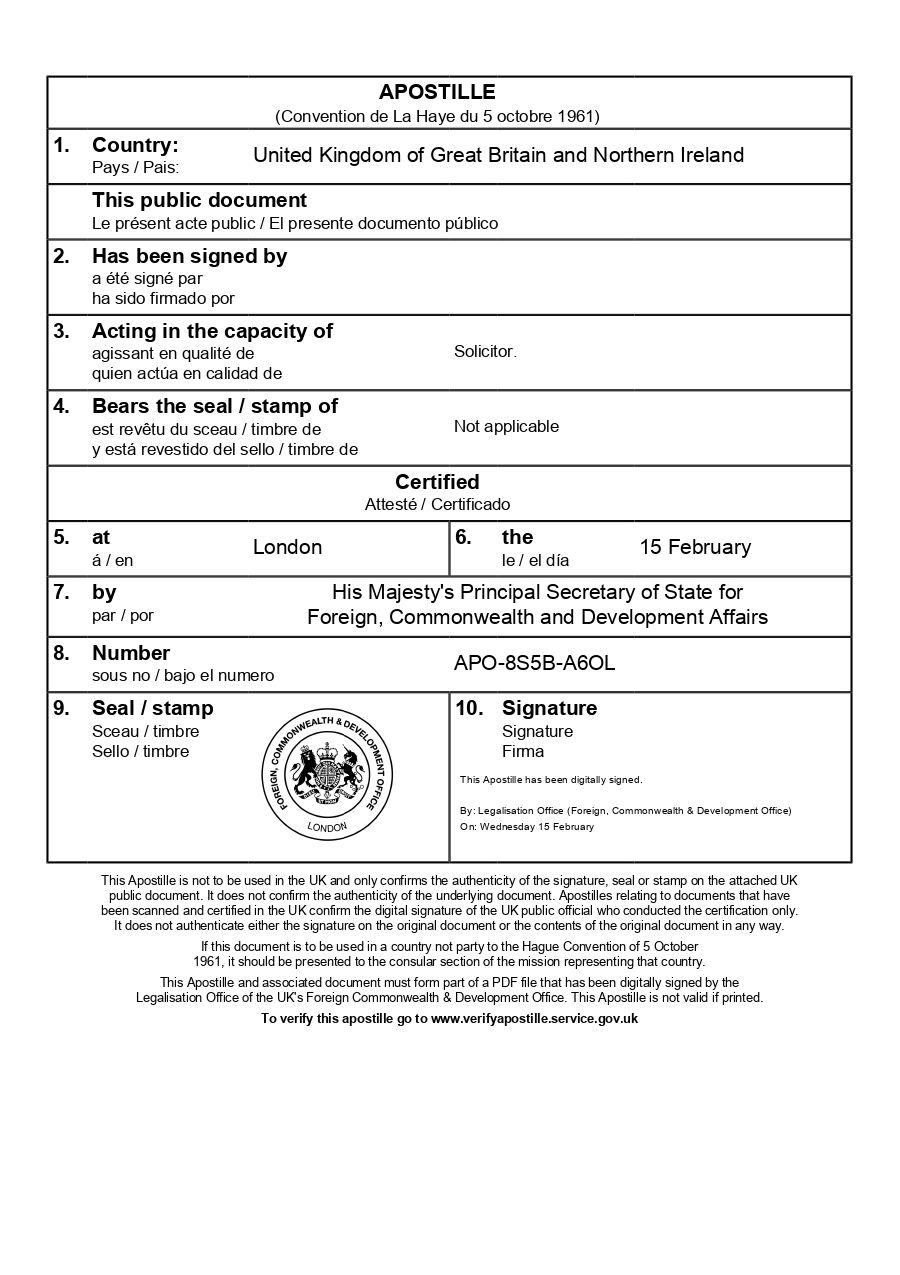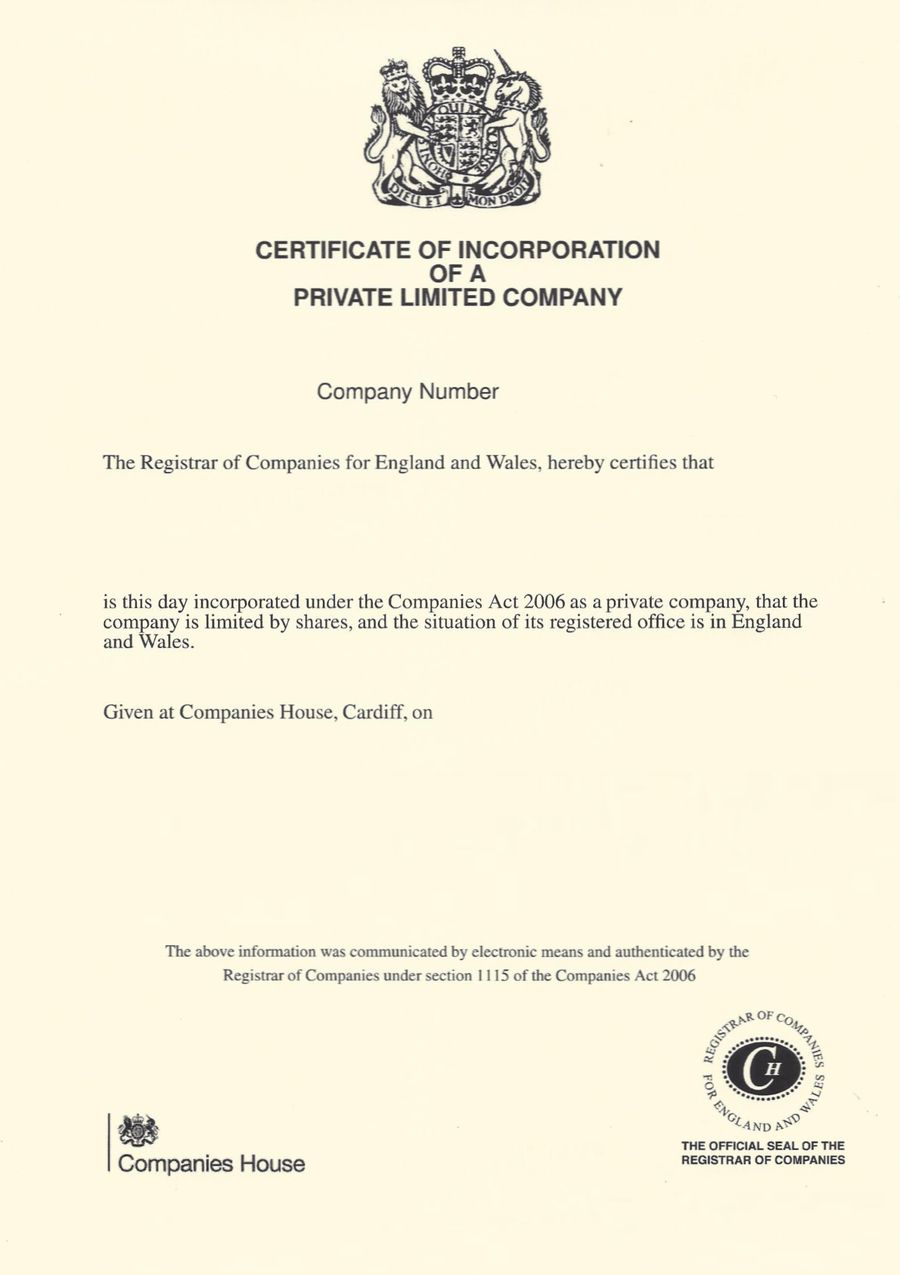
Countries that accept the e-Apostille
Countries that accept the e-Apostille
Understanding e-apostille acceptance is crucial before ordering your UK e-apostille. This guide explains which countries should accept e-Apostilles, why acceptance varies, and how to confirm requirements with your specific requesting authority.
Key points:
- e-Apostilles should be accepted in all 126+ Hague Convention member countries
- Acceptance ultimately depends on the individual requesting authority, not the country
- Some authorities within accepting countries still prefer traditional paper apostilles
- Always verify requirements with your specific end-user before ordering

Everything You Need for a Fast Legalisation Service
Your e-Apostille is issued directly by the UK Foreign, Commonwealth & Development Office (FCDO). Our team will verify the document and organise valid electronic solicitor certification to avoid delays.
e-Apostille Acceptance Is Not Country-Specific
e-Apostille Acceptance Is Not Country-Specific
The question of which countries accept e-apostilles is more complex than a simple list. Under the Hague Apostille Convention, all member countries are obligated to accept e-apostilles as legally equivalent to traditional paper apostilles. However, in practice, acceptance depends on the specific requesting authority within each country rather than the country’s official position.
A university in Spain might readily accept your UK e-apostille while a government ministry in the same city requests a paper version. This inconsistency exists even in countries with advanced digital infrastructure. The variation reflects differences in internal systems, awareness of e-apostille standards, and institutional preferences rather than any legal restriction.
Understanding the Legal Framework for e-Apostille Acceptance
Understanding the Legal Framework for e-Apostille Acceptance
Under the Hague Apostille Convention, countries that issue e-apostilles must maintain public e-Registers where the authenticity of each e-apostille can be verified. These registers contain verification information that allows any party to confirm an e-apostille is genuine.
All Hague Convention member states have committed to accepting e-apostilles from other member states. This commitment is binding regardless of whether the receiving country issues its own e-apostilles. A country that only issues paper apostilles must still legally accept e-apostilles from countries like the UK.
The challenge lies not in legal acceptance but in practical implementation.
Many requesting authorities remain unaware that e-apostilles carry the same legal weight as paper apostilles. Some authorities lack the training or systems to verify e-apostilles online. Others simply prefer physical documents due to established internal procedures.
This gap between legal obligation and practical acceptance creates uncertainty for individuals and businesses using e-apostilles internationally. The situation is gradually improving as more countries issue their own e-apostilles and more organisations become familiar with digital verification methods.
Common Situations Where E-Apostille Acceptance Varies
Common Situations Where E-Apostille Acceptance Varies
Educational institutions show significant variation in e-Apostille acceptance. Universities in technologically advanced countries like Germany, France, and the Netherlands generally accept e-Apostilles without issue. However, some university registrars still request paper apostilles because their internal systems were designed before e-apostilles became available.
Immigration authorities present similar inconsistencies. Some countries with advanced digital government services officially accept e-Apostilles for visa applications. However, individual immigration consultants and application centres sometimes insist on paper apostilles because they are more familiar with that format.
Company and business document authentication faces fewer acceptance issues. International law firms and multinational companies tend to accept e-Apostilles readily as they have the technical capability to verify digital documents. However, smaller businesses and local government offices in some countries may be less comfortable with the format.
Court and legal proceedings typically show conservative attitudes toward document formats. Even in countries that issue e-Apostilles domestically, courts may require paper apostilles for foreign documents due to established evidential rules or judicial preference for physical documents.
How to Check if Your Requesting Authority Accepts e-Apostilles
How to Check if Your Requesting Authority Accepts e-Apostilles
The first step is always to contact your specific requesting authority directly. Do not rely on general country information or advice from third parties. Ask the university admissions office, the employer’s HR department, the immigration office handling your application, or the court registry receiving your documents.
When asking, be specific about the format. Explain that you have a UK Foreign, Commonwealth and Development Office e-Apostille issued as a digitally signed PDF. Some authorities confuse e-Apostilles with scanned copies of paper apostilles, so clarity is important.
Request written confirmation if possible. If the authority confirms they accept e-Apostilles, ask them to provide this confirmation in writing. This protects you if their position changes or if different staff members provide conflicting information.
If the authority is unsure, offer to provide information about e-Apostille verification. Share the link to the FCDO e-Register where they can verify your e-Apostille’s authenticity. Sometimes authorities accept e-Apostilles once they understand the verification process is straightforward.
If the authority refuses to accept an e-Apostille despite it being legally valid, you may need to order a traditional paper apostille instead. While this is frustrating, attempting to force acceptance when the authority is unwilling will only delay your application.
How The e-Apostille Process Works
The process is simple. Follow the steps below and we will arrange the e-apostille for you.