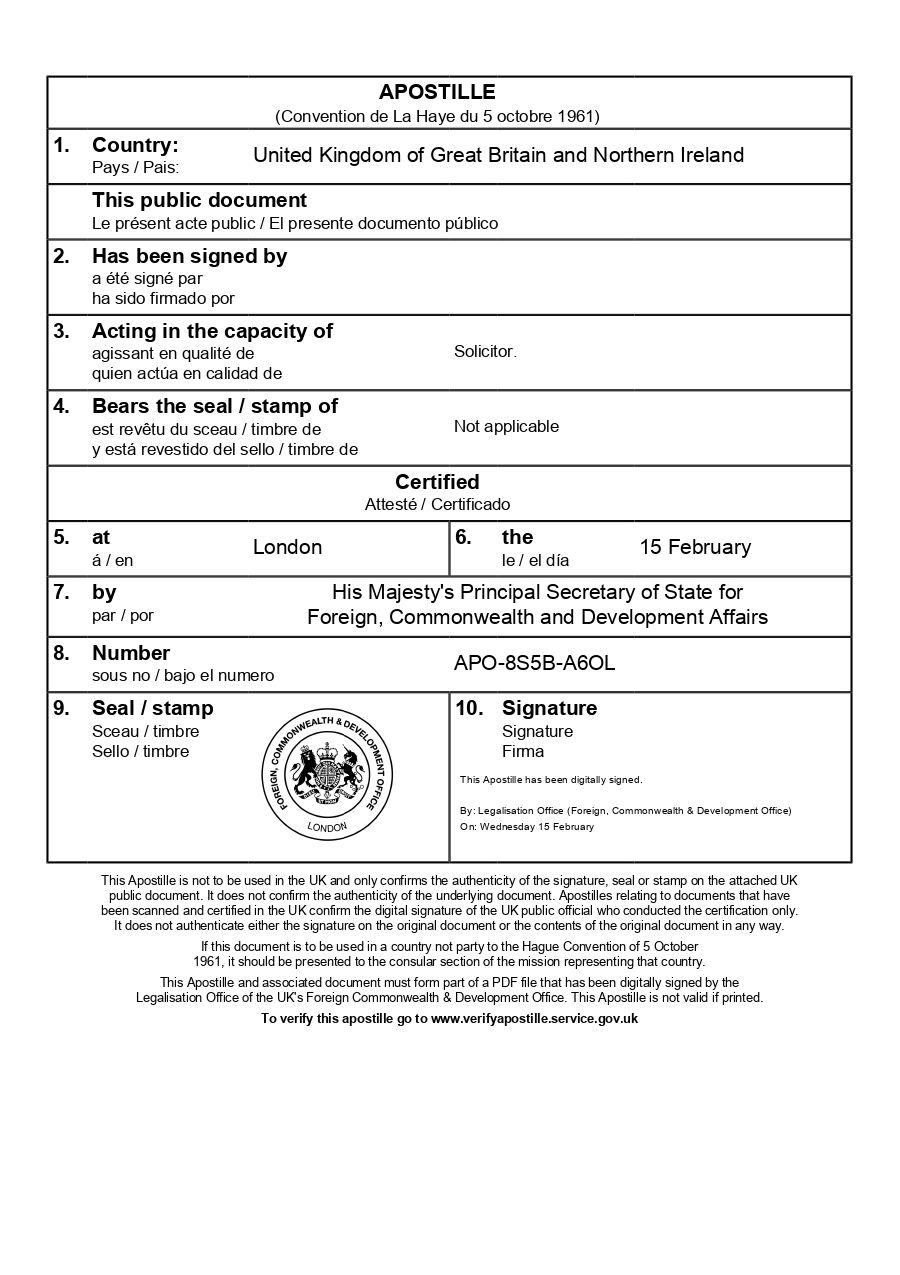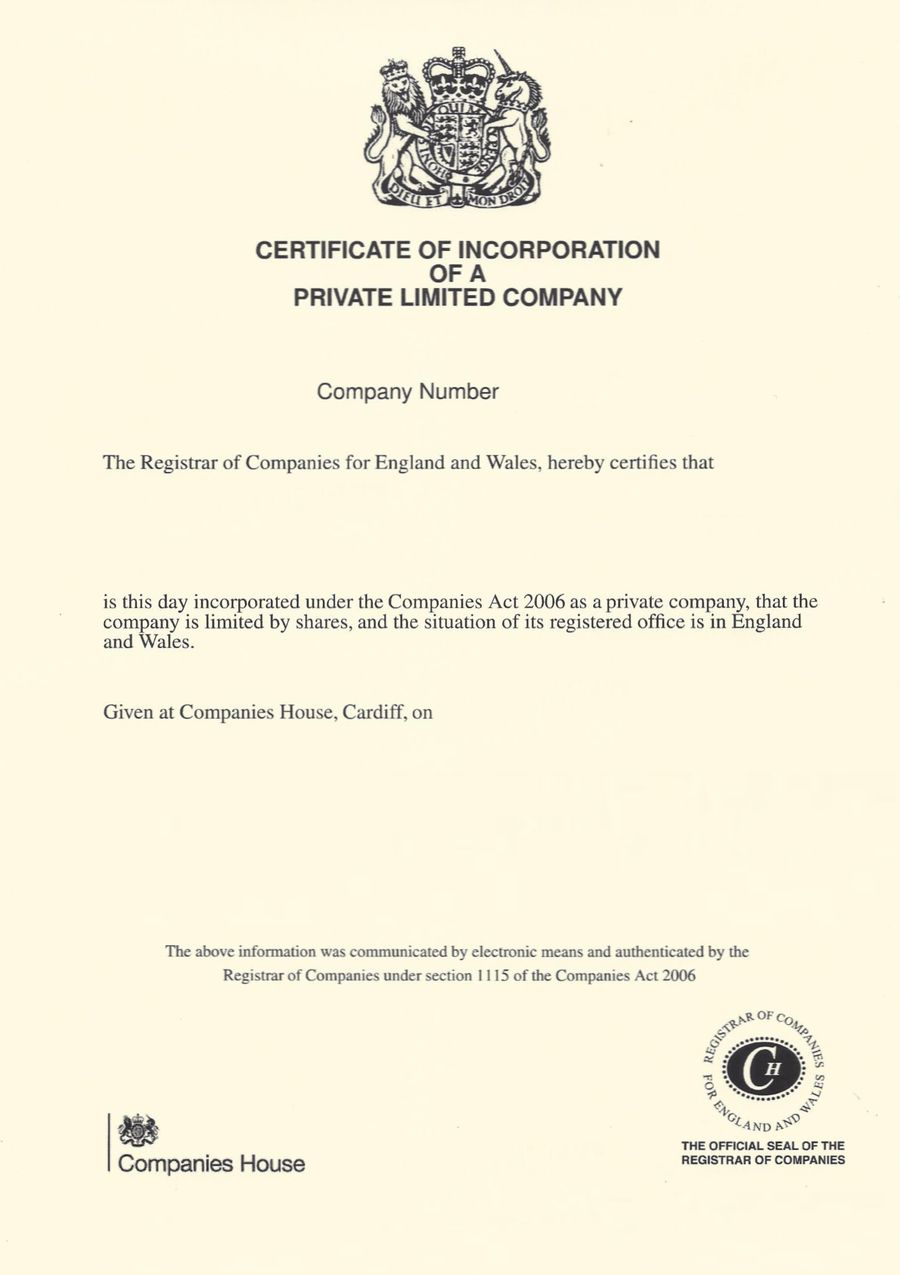
e-Apostille Services for Recruitment Agencies
e-Apostille Services for Recruitment Agencies
Recruitment agencies placing candidates internationally face unique document legalisation challenges. This guide explains how e-Apostille services support recruitment agencies with the specific document types and processing requirements involved in international placements.
Key points:
- Recruitment agencies regularly process multiple document types for international placements
- Efficient processing is critical to meet placement timelines and client expectations
- Common documents include degree certificates, academic qualifications, and employment documents
- Understanding acceptance requirements in destination countries prevents placement delays

Everything You Need for a Fast Legalisation Service
Your e-Apostille is issued directly by the UK Foreign, Commonwealth & Development Office (FCDO). Our team will verify the document and organise valid electronic solicitor certification to avoid delays.
Document Authentication Requirements in International Recruitment
Document Authentication Requirements in International Recruitment
Recruitment agencies operating internationally must authenticate candidate documents to satisfy foreign employers, immigration authorities, and professional regulatory bodies. The specific documents required vary by destination country, industry sector, and the nature of the position being filled.
Efficient document processing directly impacts placement success. Delayed or rejected apostilles create bottlenecks that frustrate candidates, disappoint clients, and can result in lost placements. Recruitment agencies need apostille services that understand these pressures and prioritise reliability.
Common Challenges Recruitment Agencies Face with e-Apostilles
Common Challenges Recruitment Agencies Face with e-Apostilles
Recruitment agencies encounter specific challenges that individual applicants do not face. Coordinating multiple candidates simultaneously means managing dozens of documents at various stages of processing, each with different timelines and destination requirements.
Candidate documents vary significantly in their readiness for e-Apostille processing. Some candidates provide documents that can be e-Apostilled immediately. Others provide scanned copies or documents that require further verification checks before the solicitor can add their electronic certification. Managing this variation efficiently is critical to avoiding delays.
Acceptance requirements in destination countries create complexity. Some countries and authorities readily accept e-Apostilles while others insist on traditional paper apostilles.
e-Apostille vs Paper Apostille for Recruitment Purposes
e-Apostille vs Paper Apostille for Recruitment Purposes
Deciding whether to use the e-Apostille or a paper apostille depends primarily on the destination country and the specific requesting authority. While e-Apostilles offer faster processing and digital delivery advantages, they are not universally accepted.
European countries with advanced digital infrastructure generally accept e-Apostilles readily. Spain, France, Germany, and the Netherlands typically process e-apostilled documents without issue. However, Middle Eastern and Asian destinations show more variation in acceptance and in many such cases, documents require the paper apostille and further embassy attestation for countries in these regions.
For recruitment agencies processing documents for the same destination regularly, establishing clear knowledge of which authorities accept e-Apostilles saves time and reduces risk.
Working with an e-Apostille Service Provider as a Recruitment Agency
Working with an e-Apostille Service Provider as a Recruitment Agency
The right e-Apostille service provider should understand the specific pressures and requirements of international recruitment. They should be familiar with common recruitment document types, understand the FCDO’s requirements for each, and know which countries typically accept e-Apostilles for employment purposes.
Response times matter significantly in recruitment contexts. When a candidate’s start date depends on document processing, delays of even a few days can jeopardise placements. Service providers should offer clear communication channels and prioritise urgent cases appropriately.
Flexibility in handling different document formats is important. Recruitment agencies deal with documents from multiple sources in varying formats. Service providers should be able to advise on whether documents can be e-apostilled, whether solicitor certification is required, and what format issues need addressing.
Clear pricing for volume processing helps recruitment agencies budget appropriately and price their services competitively. Transparent fees and volume arrangements ensure agencies can quote accurately to clients and candidates.
How The e-Apostille Process Works
The process is simple. Follow the steps below and we will arrange the e-apostille for you.