Which UK Documents Can Be Electronically Apostilled?
Which UK Documents Can Be Electronically Apostilled?
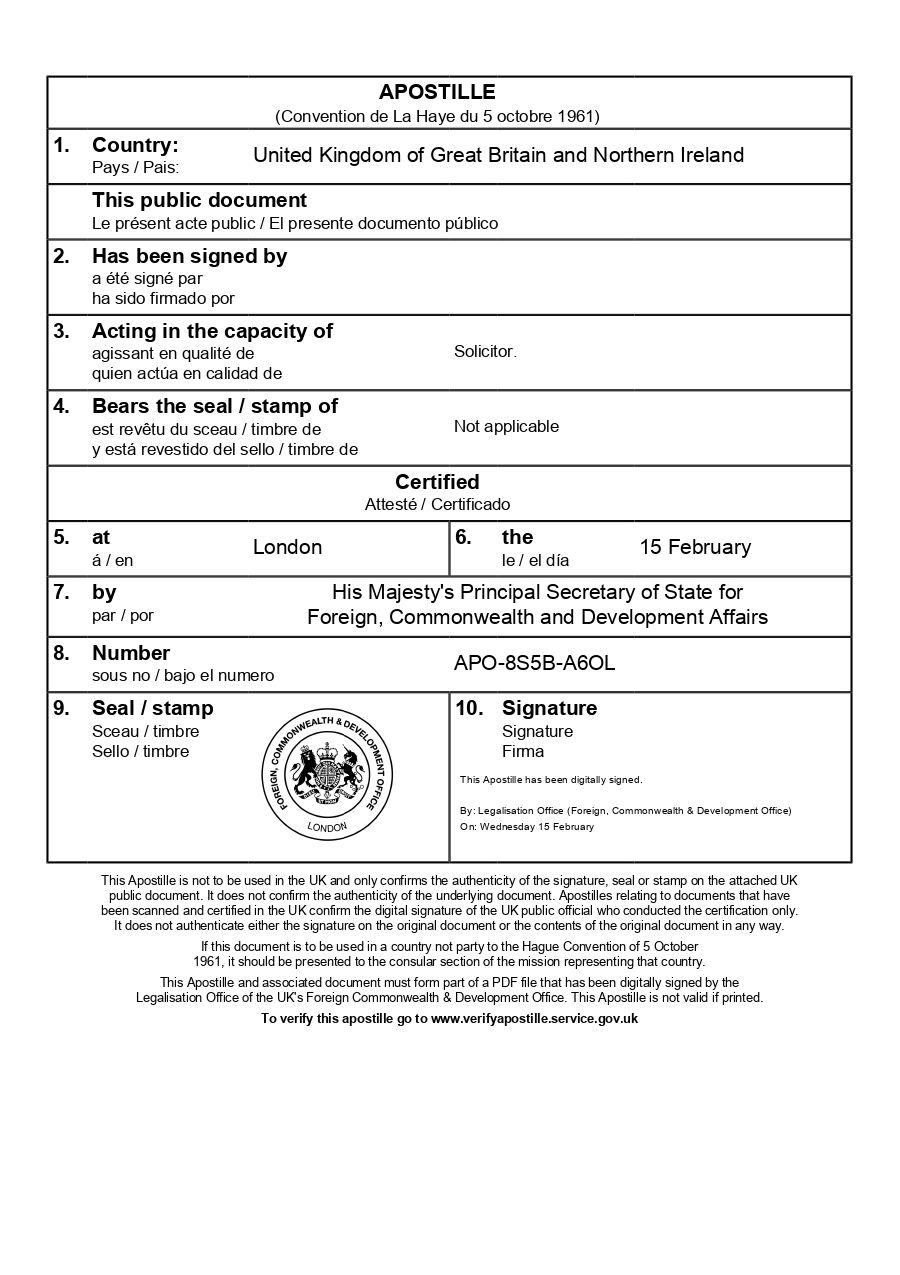
Most UK documents can now be legalised with an e-Apostille, but not all. This guide explains which documents are eligible, which must still receive a traditional paper apostille, and why some documents cannot legally be issued in digital form.
Key points
- Which documents qualify for an e-Apostille
- Which documents require a paper apostille
- Why public documents cannot be digitally legalised
- What to do if your document needs solicitor certification

Everything You Need for a Fast Legalisation Service
Your e-Apostille is issued directly by the UK Foreign, Commonwealth & Development Office (FCDO). Our team will verify the document and organise valid electronic solicitor certification to avoid delays.
Understanding e-Apostille Eligibility
Understanding e-Apostille Eligibility
Not every UK document can be issued with the e-Apostille. Eligibility depends on how the document was created, who signed it, how it has been signed, and whether it can be verified digitally.
Below are the main categories that determine whether a document can receive an e-apostille.
Public Documents – Paper Apostille
Public documents are issued and signed by a UK government office or public authority. These documents must always receive a paper apostille. They cannot be digitally apostilled, even if you scan or copy them. For example, birth certificates, marriage certificates and death certificates must currently be issued with the paper apostille.
Pre-Certified Documents – Paper Apostille
If a document has already been ink signed or witnessed by a UK solicitor or notary, it must be processed as an original physical document and therefore receives a paper apostille. The e-Apostille cannot be issued to verify a wet ink signature on a document.
Personal Documents – e-Apostille
Personal documents are generally suitable for either an e-apostille or a paper apostille. They must first be electronically signed by a UK solicitor or notary. Verification checks are required before this signature can be added. For example, degree certificates, other academic documents, employment documents, and tax documents are all eligible for the e-Apostille.
Business Documents – e-Apostille
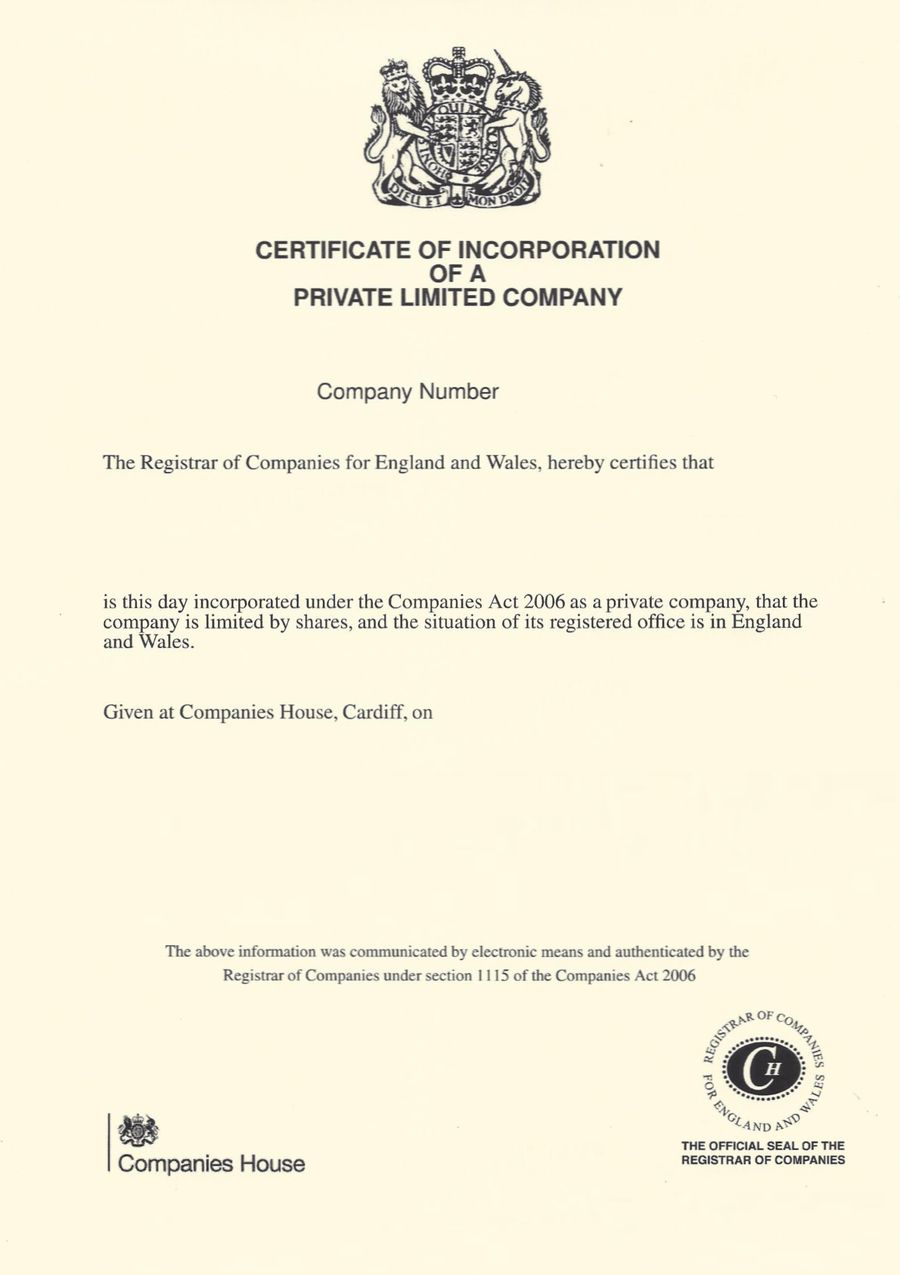
Many company documents can be electronically certified and issued with the e-Apostille, depending on whether the information can be verified. These can then receive either an e-apostille or a paper apostille. Examples include certificates of incorporation, certificates of good standing, articles of association, and any extracts from the filing history recorded at Companies House.
Which Documents Must Receive a Paper Apostille?
Which Documents Must Receive a Paper Apostille?
Public Documents (Not Eligible for e-Apostille)
These documents are issued directly by UK government bodies or public authorities and must be legalised in their original paper format:
Birth certificates
Adoption certificates
Marriage certificates
Civil partnership certificates
Death certificates
Certificates of No Impediment
ACRO and NPCC criminal record checks
Medical and health certificates signed by a doctor
Documents already signed in ink by a solicitor
These documents cannot be copied, scanned, reprinted, or digitally signed for e-apostille purposes.
Which Documents Can Receive an e-Apostille?
Which Documents Can Receive an e-Apostille?
Personal Documents (Eligible)
These documents can receive an e-apostille after being electronically signed by a UK solicitor or notary. Verification checks are required before signing.
Diplomas and degree certificates
Academic transcripts
School letters and reports
GCSEs, A Levels and other exam certificates
TEFL / TESOL certificates
PGCE and QTS certificates
UK driving licence (copy made by the solicitor)
UK passport (original must be seen to create a certified copy)
Business Documents (Eligible)
If they can be verified, the following documents can be electronically certified and then issued with an e-apostille:
Certificate of Incorporation
Memorandum of Association
Articles of Association
Confirmation Statements (CS01)
Change of Name Certificates (NM01)
Change of Address filings (AD01)
Company accounts (from an accountant)
Certificates of Good Standing
How to Check Whether Your Document Qualifies
How to Check Whether Your Document Qualifies
Eligibility depends on three factors:
How The e-Apostille Process Works
The process is simple. Follow the steps below and we will arrange the e-apostille for you.